2026: Adeleke’s Camp Attacked Aregbesola Out Of Fear – Analyst
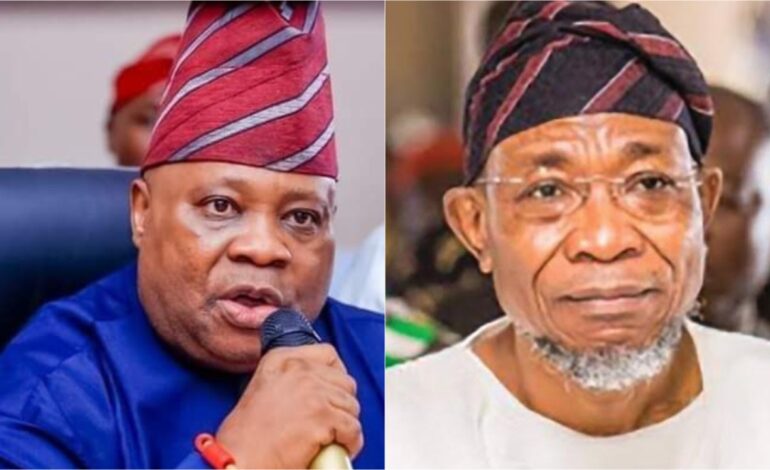


A political storm is brewing in Osun State as the spokesperson to Governor Ademola Adeleke, Mallam Olawale Rasheed, launched a scathing attack on former Governor Rauf Aregbesola, a move critics say is driven by panic and desperation ahead of the 2026 governorship election.
In a statement released on Monday, Rasheed accused Aregbesola of leaving behind “a legacy of debt, half salary, scam tablets, and uncompleted projects,” while crediting the Adeleke administration with major reforms, including the Osun Health Insurance Scheme (OHIS).
However, these claims have been dismissed as historically inaccurate and politically motivated, especially as fresh facts have emerged showing that the OHIS was an executive bill passed into law in 2018 under the Aregbesola administration, not an invention of Governor Adeleke.
According to public policy analyst Tajudeen Ahmed, who reacted to the controversy from Osogbo, “The attempt to credit the Adeleke administration for initiating OHIS is factually incorrect. The scheme was a strategic healthcare initiative developed and passed by the Aregbesola government in 2018. What is happening today is simply a continuation of that foundation.”
Ahmed described the Adeleke camp’s aggressive posture as “a symptom of fear,” pointing out that “the real anxiety stems from the administration’s poor performance and waning popularity as 2026 approaches.”
He further questioned the credibility of Adeleke’s spokesperson, who “conveniently left out the context of the economic recession that hit Nigeria during Aregbesola’s time, which affected many states and led to difficult financial decisions.”
“The very roads being commissioned today for example (Ona baba Ona), the health centers being renovated, the welfare plans being implemented – most of these were inherited projects. Governance is a continuum, and it is dishonest to claim originality for policies already enacted by a previous administration,” Ahmed said.
He also pointed to recent developments that suggest internal panic within the Adeleke government, including alleged desperate moves by the governor to secure a return to the All Progressives Congress (APC) the same party he has publicly criticised over the years.
“This sudden desire to join the APC, after running on anti-APC sentiments, is the biggest indication that the administration lacks confidence in its performance and political structure going into 2026,” he noted.
Observers say the attacks on Aregbesola are part of a wider strategy by Adeleke’s media team to discredit past leadership and divert attention from the governor’s shortcomings. But according to Ahmed, this tactic is “backfiring.”
“Osun people are not politically naive. They remember who brought real development, who laid the foundation for the systems we have today, and who is simply adding cosmetic layers for media applause. Press releases can’t rewrite history.”
As the 2026 elections draw closer, many in the state believe the Adeleke administration must focus on governance and results rather than engaging in historical distortions and media aggression.
“Voters will judge based on truth, not propaganda,” Ahmed concluded.
Okikiola Adewale is a young and vibrant undergraduate pen pusher with training in both print and digital journalism. He has a flair for writing, content development and people-oriented reporting to seek societal change.
Related posts:
 2026:’You’ve Rendered Your Chairman Incapacitated’, Adeleke’s Aide Mocks Oyetola Backed ‘AMUBO’ Camp For Taking Over Party’s Affairs
 2026: Adeleke Reverses Self, Counters Initial Endorsement Of Aregbesola’s Policies
 Real Reasons They Attacked Me At Adeleke’s Funeral -Aregbesola’s Aide, Babalola
 Policemen Led People That Attacked Me – Aregbesola’s PA