UK Returnee, 97 Others Die As Lassa Fever Spreads In Nigeria


A 31-year-old physician who recently returned from the United Kingdom has died after testing positive for Lassa fever.
The Nigeria Centre for Disease Control and Prevention (NCDC) confirmed the death in a public advisory signed by its Director General, Jide Idris.
According to Idris, the deceased was among 98 fatalities recorded across 14 states in Nigeria as of March 2, 2025, from 535 confirmed cases out of 2,728 suspected infections.
The statement reads: “On March 5, 2025, the Nigeria Centre for Disease Control and Prevention was notified of a confirmed case of Lassa fever by the Ondo State Ministry of Health.
“The patient, a 31-year-old physician, was managed at a private health facility in Ondo State after returning from a trip abroad (UK).
“The patient departed Nigeria on 19/02/2025 and returned on 27/02/2025.
“Samples were taken late on Friday, 28/02/2025, on suspicion of Lassa fever, but the patient unfortunately passed away in the early hours of Saturday, 01/03/2025.
“Laboratory investigation confirmed the result as Lassa fever-positive through PCR testing on Tuesday, 04/03/2025.
“The patient was reported to have visited his fiancée in Edo State, as well as family and friends, before travelling.”
The NCDC stated that the Ondo State Ministry of Health has initiated contact tracing and line listing of those who may have been exposed to the confirmed case to prevent further spread of the disease.
The advisory further noted: “All necessary in-country structures have been mobilized to ensure all possible contacts are traced and monitored.
“Communicated to the Port Health Services to support contact tracing and line listing of contacts and bolster surveillance efforts at the point of entries and exits (information include patient’s biodata, flight details etc. shared).
“Information shared with all relevant authorities in line with the International Health Regulations (2005), and contact tracing efforts also on-going in the UK.”
The NCDC reminded Nigerians that Lassa fever is an acute viral haemorrhagic disease caused by the Lassa virus, with peak transmission periods between October and May.
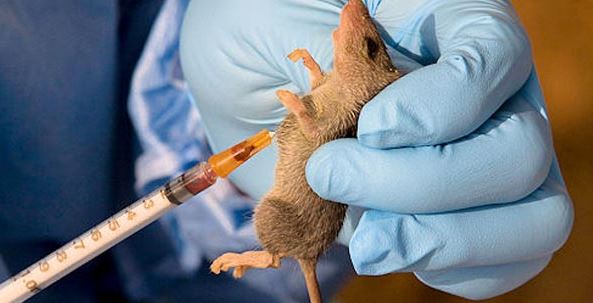
It added that the primary reservoir of the virus is the multimammate rat, also known as the African rat, although other rodents can also carry the virus.
“As of Epi-week 9 (February 24, to March 2, 2025), a total of 2,728 suspected cases, 535 confirmed cases, and 98 deaths have been recorded across 14 states in Nigeria, with a case fatality rate of 18.3 per cent.
“Five states account for 91 per cent of confirmed cases: Ondo (31 per cent), Bauchi (24 per cent), Edo (17 per cent), Taraba (16 per cent), and Ebonyi (3 per cent).
“Ten local government areas make up 68 per cent of confirmed cases, namely: Owo, Akure South, Etsako West, Kirfi, Akoko South-West, Bali, Esan North-East, Bauchi, Toro, and Jalingo.”
The agency warned that Lassa fever spreads through direct contact with bodily fluids, ingestion of contaminated food, and exposure to household items or surfaces contaminated by infected rodents.
It also highlighted the risk of person-to-person transmission, particularly in healthcare settings where infection control measures are inadequate.
Titilope Adako is a talented and intrepid journalist, dedicated to shedding light on the untold stories of Osun State and Nigeria. Through incisive reporting, she tackles a broad spectrum of topics, from politics and social justice to culture and entertainment, with a commitment to accuracy, empathy, and inspiring positive change.