Tough Road For Bobrisky, Other Transgender Figures Over UK Court Ruling
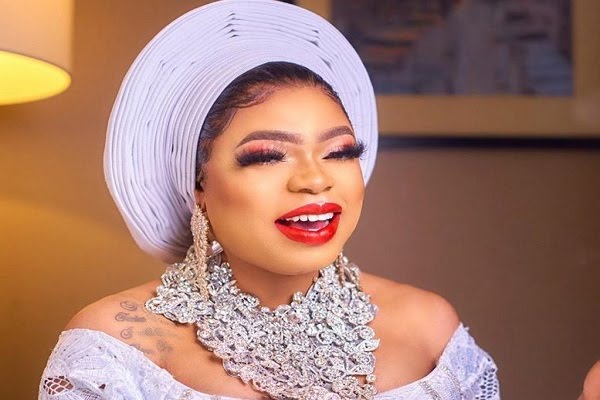


Nigerian crossdresser Idris Okunneye, popularly known as Bobrisky, may be on the verge of facing stiffer legal challenges abroad following a landmark ruling by the United Kingdom’s Supreme Court, which now legally defines a “woman” strictly as a biological female.
In a unanimous judgment delivered Wednesday, the UK’s highest court ruled that under the Equality Act 2010, the terms “woman,” “man,” and “sex” must be understood as biological, not based on gender identity or transition status, even if certified under the Gender Recognition Act of 2004.
This decision sidelines self-identified or legally recognized trans women from certain sex-based legal protections and considerations in the UK.
While the ruling applies directly to the UK, its effects could influence immigration policies, international activism, and social discourse around gender identity, especially for prominent trans and gender non-conforming figures like Bobrisky, whose visibility is often both celebrated and controversial.
This development could complicate how transgender Nigerians are perceived and treated abroad, particularly in legal situations requiring gender identification, such as asylum cases, healthcare access, and documentation.
Though the UK Supreme Court emphasized that transgender individuals still have protections under the category of “gender reassignment,” limiting the legal definition of “woman” may weaken the scope of those protections in key sectors like sports, prisons, and political representation.
However, if this legal interpretation begins to influence other countries or international bodies, trans individuals from conservative regions like Nigeria, where gender identity laws are already restrictive may find it even harder to gain recognition or protection under female identity abroad.
OSUN DEFENDER reports that Bobrisky has always been a subject of fierce criticism and controversy in Nigeria, a country where the law and majority of public opinion do not resonate with the concept of transitioning from one gender to another.
Born male, Bobrisky’s open declaration of identifying as a woman, complete with makeup, body enhancements, and traditionally feminine clothing, has put him at the center of moral, legal, and cultural storms.
Bobrisky, who has yet to react publicly to the ruling, may now find himself navigating not only the challenges of being openly transgender in Nigeria but also the growing global pushback on legal gender recognition.
Hafsoh Isiaq is a graduate of Linguistics. An avid writer committed to creative, high-quality research and news reportage. She has considerable experience in writing and reporting across a variety of platforms including print and online.