Ngugi wa Thiong’o, Scholar, Activist Who Defied Colonialism, Dies at 87
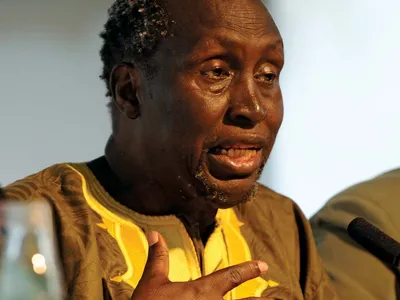


Renowned Kenyan writer, scholar and activist, Ngugi wa Thiong’o, who fearlessly challenged colonialism and post-independence oppression in Africa, has died at the age of 87 in Buford, Georgia, United States.
His son, Nducu, confirmed the death on Wednesday.
Born in 1938 in Limuru, Kenya, Ngugi rose from a colonial-era childhood marked by poverty and political upheaval to become one of Africa’s most respected intellectuals.
He was known not just for his writings, but for his personal sacrifices and unwavering commitment to African identity, culture and language.
Ngugi began his public life as a promising student, attending Makerere University in Uganda and the University of Leeds in England.
But he quickly grew disillusioned with the Western academic lens through which African history and literature were viewed.
He later renounced his baptismal name, James Ngugi, as a rejection of colonial influence and a declaration of cultural self-determination.
In the 1970s, his political activism landed him in prison, where he famously wrote in secret on scraps of toilet paper.
He was detained without trial after co-writing a play that criticised Kenya’s political elite and gave voice to peasants and workers.
His imprisonment only deepened his resolve.
He left Kenya in 1982 after threats to his life, beginning a decades-long exile that took him to the United Kingdom and the United States.
In exile, he remained a committed Pan-Africanist, academic and speaker, constantly using his platform to push for the reclamation of African languages, histories and values.
Ngugi taught at several universities before settling at the University of California, Irvine, where he became a distinguished professor of English and Comparative Literature.
Despite the global recognition, honorary degrees, and awards he received, Ngugi never strayed from his roots.
He spoke often about growing up under British colonialism, his mother’s sacrifices, and the cultural alienation many Africans experienced due to foreign domination.
He insisted that decolonisation had to go beyond politics — that it must include language, education, and the way Africans saw themselves.
Ngugi wa Thiong’o is survived by his wife, children and grandchildren.
Titilope Adako is a talented and intrepid journalist, dedicated to shedding light on the untold stories of Osun State and Nigeria. Through incisive reporting, she tackles a broad spectrum of topics, from politics and social justice to culture and entertainment, with a commitment to accuracy, empathy, and inspiring positive change.