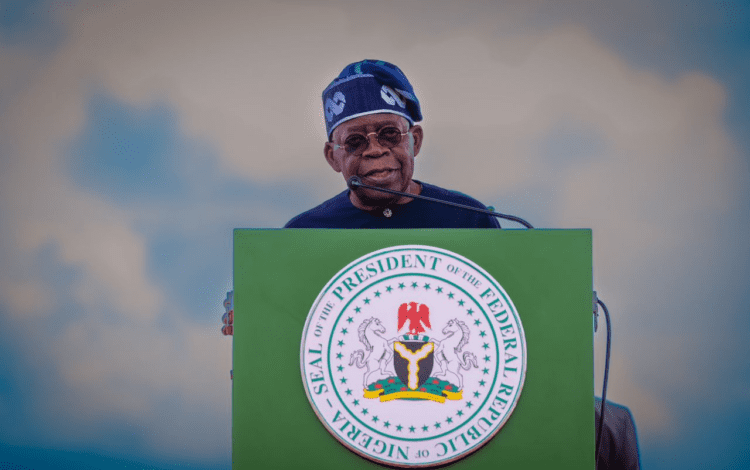

Mixed reactions have continued to trail President Bola Tinubu’s approval of a 15 per cent import duty on petrol and diesel, as Nigerians express concern over its likely impact on living costs and inflation.
The new policy, announced on October 29, mandates importers to pay a 15 per cent levy on the cost, insurance, and freight (CIF) value of imported fuel; a move experts say could add up to ₦150 per litre to pump prices.
Energy law expert Ayodele Oni, Partner and Chair of the Energy and Natural Resources Practice Group at Bloomfield Law Practice, told the News Agency of Nigeria (NAN) that while the measure is meant to protect local refineries, it risks worsening fuel prices and supply challenges.
“The imposition of a 15 per cent duty will raise landing costs, and the burden will be transferred to consumers,” Oni warned, cautioning that without robust local refining, the move could trigger scarcity and black-market sales.
Critics, including Prince Adewole Adebayo, 2023 presidential candidate of the Social Democratic Party (SDP), described the duty as anti-people. “If you impose a 15 per cent tariff on imported petrol, who will pay for it? The consumer at the filling station,” he said.
Similarly, APC chieftain and oil investor Ayiri Emami cautioned that the policy would “hurt ordinary Nigerians more than marketers,” noting that “whatever tax you put on petroleum goes straight back to the people on the streets.”
However, Dangote Petroleum Refinery hailed the move as a bold step toward strengthening local refining and curbing the influx of substandard imports. Its spokesman, Anthony Chiejina, said the duty aligns with Nigeria’s industrial and economic recovery goals.
The Petroleum Products Retail Outlets Owners Association of Nigeria (PETROAN) also backed the policy. Its National President, Billy Harry, argued that the measure would “boost local refining, create jobs, and stabilise the naira,” even though it might cause short-term price increases.
But the African Democratic Congress (ADC) faulted the policy as “ill-timed and insensitive.” National Chairman Chief Ralph Nwosu warned it could push pump prices above ₦1,000 per litre, worsening the economic hardship facing Nigerians.
“The government cannot keep squeezing citizens already gasping under inflation, high transport fares, and rising food prices,” Nwosu said.
On social media, opinions remained divided. While some users supported the policy’s objective, they questioned its timing. One X user, @EsvAutchman, wrote: “We should encourage local production, but the timing is wrong. We need enough refining capacity first.”
Others were more critical. @ThreadSnatcher posted: “Tinubu removed subsidies for the people, now he’s adding new taxes for his friends. This isn’t reform — it’s repackaged greed.”
Economic analysts believe the administration’s goal is to stimulate local refining and strengthen the naira. Yet they warn that Nigerians are likely to feel the immediate pressure through higher fuel and transport costs.
The Presidency insists the new import duty is a long-term measure to promote energy security, attract investment, and end overreliance on imported petroleum products

Yusuf Oketola is a trained journalist with over five years of experience in the media industry. He has worked for both print and online medium. He is a thorough-bred professional with an eye of hindsight on issues bothering on social justice, purposeful leadership, and a society where the leaders charge and work for the prosperity of the people.