US Rep Member Who Saw Unredacted Epstein File Describes Donald Trump’s Sex Scandal
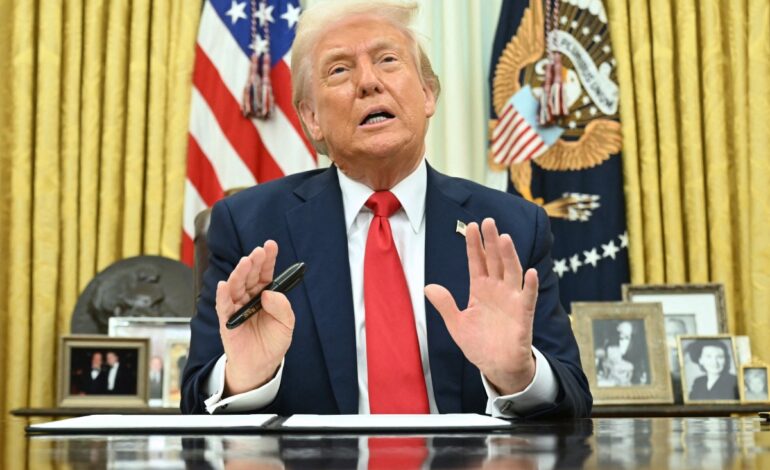


U.S. Representative Melanie Stansbury representing (D–New Mexico) has spoken out after reviewing unredacted Jeffrey Epstein files at the Department of Justice, describing what she saw as deeply disturbing and raising fresh questions about former President Donald Trump’s past association with the convicted sex offender.
Stansbury, a member of the House Oversight Committee, said the materials she examined included records that shed further light on Epstein’s network of powerful associates and the extent of his operations.
According to her public statement, the unredacted documents contain information that had previously been shielded from public view and that, in her view, warrant closer scrutiny.
While she did not disclose specific confidential details, Stansbury indicated that references involving Trump contradict longstanding public narratives about the nature and timeline of his relationship with Epstein.
Her remarks align with concerns raised by other lawmakers who have said the files include documentation challenging claims that Trump had fully distanced himself from Epstein at an earlier stage.
The Justice Department has stated that access to the unredacted files is being provided to lawmakers under controlled conditions, balancing transparency with victim privacy protections.
Stansbury has called for full accountability, insisting that no individual, regardless of status or political position, should be shielded from the truth as Congress continues its review of the Epstein records.
Her comments echo broader congressional frustration. Lawmakers, including Rep. Jamie Raskin, revealed that former President Donald Trump’s name appears extensively in the unredacted files, reportedly more than a million times and that some documents contradict Trump’s past claims about distancing himself from Epstein.
This is the FBI’s list of “Prominent Names” it was tracking in the Epstein Case. This list appears in this slide show, FBI email correspondence, and FBI tip sheets — all of which I saw unredacted today. Believe the survivors.
You can see this file on DOJ’s website ⬇️… pic.twitter.com/k9L9Ie3uds
— Rep. Melanie Stansbury (@Rep_Stansbury) February 11, 2026
Republican Senator Cynthia Lummis said her review of unredacted material shifted her perspective, prompting her to support greater transparency.
Meanwhile, other members, such as Ro Khanna and Thomas Massie, have accused the Department of Justice of originally shielding the names of powerful individuals without clear justification, forcing additional unredactions after pressure.
The Justice Department has publicly said it is releasing millions of pages of Epstein files and that the unredacted materials are available to members of Congress under controlled conditions, aiming to balance transparency with legally required protections such as victim privacy.
As lawmakers continue to examine the documents, debate persists over how much information should be made public and what the unredacted files mean for accountability and public trust.
Sodiq Yusuf is a trained media practitioner and journalist with considerable years of experience in print, broadcast, and digital journalism. His interests cover a wide range of causes in politics, governance, sports, community development, and good governance.
Related posts:
 Sex Scandal: Donald Trump Denies Affair With PlayBoy Model
 Trump Threatens Grammy Host Trevor Noah With Lawsuit Over Comments on Epstein
 Donald Trump’s Ex-Wife Feels It’s Unnecessary For Trump To Run For Re-election
 Meet Jide James Zeitlin, The Nigerian Man Named Alongside Dangote In Jeffrey Epstein Files