CSO Bemoans Alleged Substandard Work On Iwo Road Dualisation Project
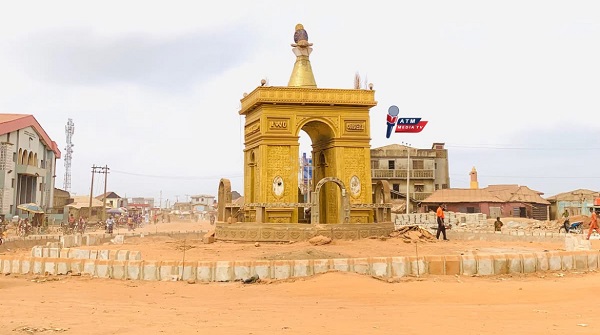

A Civil Society Organization, Taawunu Human Rights Initiative (THURIST) has raised concerns over the quality of materials used in the construction of the ongoing dualisation project of Iwo road.
The group said it has received multiple reports and public complaints from residents and stakeholders in Iwo town expressing deep concern over the alleged substandard work by the contractor handling the project.
In a statement by THURIST’s Director General, Barr. Sulaymon Tadese, the concerns call for immediate attention, saying such a project financed with taxpayers’ resources must meet the highest durability standard.
Tadese added that any public project executed with substandard materials or compromised workmanship raises critical questions about compliance with approved specifications, supervision and quality assurance mechanisms.
The statement reads: “Residents have expressed fears that if the concerns being raised are not urgently investigated, the road may deteriorate prematurely shortly after completion.
“This would not only represent a grave waste of public funds but would also undermine the trust of the people in public institutions responsible for delivering development projects.”
THURIST therefore calls for an immediate and transparent technical review of the project.
“We respectfully urge the Osun State Government, Iwo Local Government authorities, relevant regulatory and supervisory agencies, and the Oluwo of Iwo land to urgently intervene by commissioning an independent engineering inspection to verify whether the materials and construction processes being used meet the required standards.
“Public infrastructure must never become a channel through which public resources are wasted. Roads are critical to economic activity, transportation, and community development.
“When properly constructed, they serve communities for decades. When compromised, they become costly liabilities that burden citizens and government alike,” the statement concluded.
Yusuf Oketola is a trained journalist with over five years of experience in the media industry. He has worked for both print and online medium. He is a thorough-bred professional with an eye of hindsight on issues bothering on social justice, purposeful leadership, and a society where the leaders charge and work for the prosperity of the people.
Related posts:
 Group Raises Concern Over Alleged Use Of Substandard Material In Ongoing Iwo Dual Carriage Project
 Road Dualisation: Ijesa Muslim Community Accuses Adeleke Of Reneging On Agreement
 Iwo/Osogbo Road: Osun Assembly Dissatisfied With Pace Of Work
 Oluwo Advocates Timely Release Of Fund For Osogbo-Iwo-Ibadan Road Project