INEC’s 2027 Electoral Timetable Violates Electoral Act — Gbenga Hashim
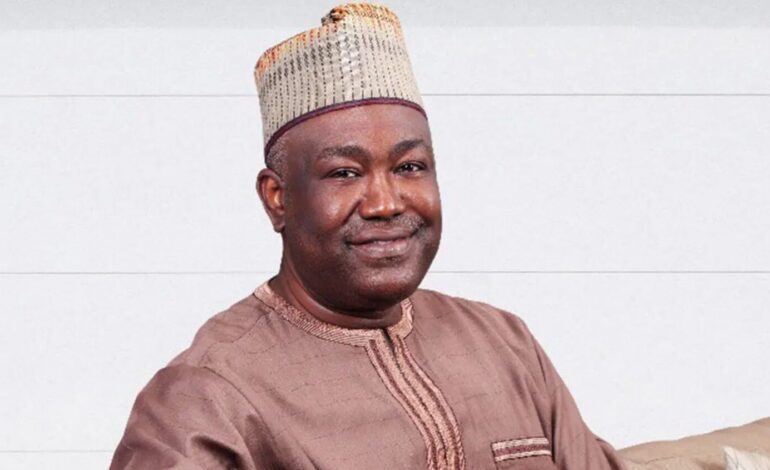


A presidential aspirant on the platform of the Peoples Democratic Party, PDP, Dr Gbenga Hashim, has criticised the Independent National Electoral Commission, INEC, over its timetable for the 2027 general elections, describing it as illegal and inconsistent with the Electoral Act.
Hashim made the remark while receiving the National Chairman of the Accord Party, Maxwell Mgbudem, during a visit.
He argued that the timetable released by the electoral body violates Section 29(1) of the Electoral Act, which requires political parties to submit the names of their candidates not later than 120 days before an election.
According to him, the law means parties should ordinarily have until around August or September to conclude their primaries, rather than the May deadline fixed by INEC.
He said the electoral body had, by its directive, shortened the political calendar by several months and placed unnecessary pressure on opposition parties already dealing with internal disputes and court cases.
Hashim acknowledged that INEC recently adjusted the deadline for the submission of party registers.
However, he maintained that the core issue of what he described as a compressed and unlawful timetable remains unresolved.
He also called for stronger cross-party consultations aimed at building a broad coalition to resist what he termed a gradual drift towards a one-party state in Nigeria.
According to him, unity among opposition parties has become increasingly important to protect democratic pluralism and maintain institutional balance.
Hashim said opposition parties are being weakened by internal divisions and external pressures, which he noted are affecting their ability to organise effectively.
He stressed that Nigeria’s democracy can only be preserved through cooperation among political stakeholders committed to accountability, fairness, and a competitive multi-party system.
He also warned against any move to concentrate political power in a way that could erode democratic choice.
He added that consultations among stakeholders would continue in the coming months as efforts intensify to build wider political cooperation ahead of future elections.
Titilope Adako is a talented and intrepid journalist, dedicated to shedding light on the untold stories of Osun State and Nigeria. Through incisive reporting, she tackles a broad spectrum of topics, from politics and social justice to culture and entertainment, with a commitment to accuracy, empathy, and inspiring positive change.
Related posts:
 Why Opposition Leaders Rejected New Electoral Act, Amended INEC Timetable
 2023: INEC Promises Not To Release Election Timetable Until Electoral Amendment Bill Signed Into Law
 Electoral Act: Don’t Act As Overlords, Respect Nigerians Views – PLAC Tells Senate
 CSOs Urge Speedy Passage Of Electoral Act Bill, Warn Delay Poses Danger For 2027 Polls