“Chaotic Timetable,” Olawepo-Hashim Faults INEC Election Schedule
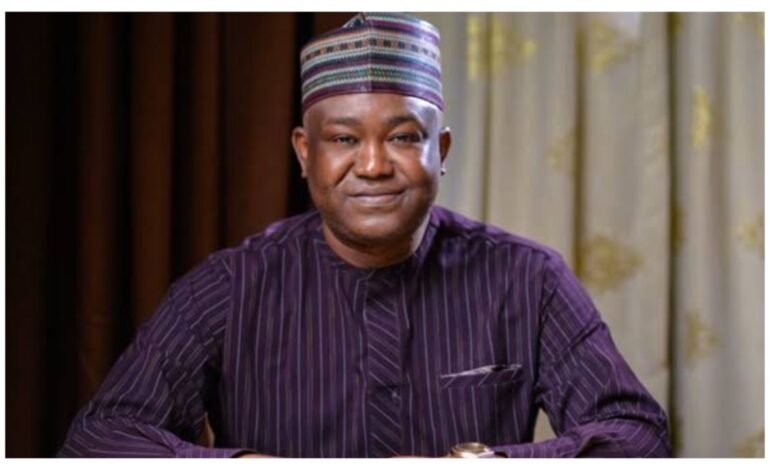


Former presidential candidate, Gbenga Olawepo-Hashim, has criticised the 2027 general elections timetable released by the Independent National Electoral Commission INEC, describing it as unlawful, unworkable and insensitive to Nigeria’s political and religious realities.
Olawepo-Hashim warned that the electoral schedule could fuel unnecessary political tension and destabilise political parties ahead of the next general elections if not reviewed.
He also said combining election primaries with periods such as the Muslim Hajj operation and Sallah festivities, which already come with security and mobility challenges, was unreasonable.
The former presidential candidate stated these in a statement issued on Sunday by the Olawepo-Hashim Media Office and made available to Punch.
He argued that the tight electoral calendar did not provide enough time for political parties to conduct transparent primaries and other internal democratic processes.
According to him, the development was already mounting pressure on political parties and worsening internal disputes across the political landscape.
Olawepo-Hashim disclosed that he had earlier written an open letter to President Bola Ahmed Tinubu, urging him to ensure that INEC strictly complied with the provisions of the Electoral Act in implementing the timetable.
He, however, lamented that no response had been received from the Presidency.
The former presidential candidate also faulted the electoral commission for fixing politically sensitive activities, including party primaries, around major religious events such as Hajj and Ileya celebrations.
He said the religious periods already came with enormous logistical and security challenges, warning that combining them with party primaries could worsen tension and create avoidable disruptions.
“Combining election primaries with periods like Hajj and Ileya, which already carry security and mobility challenges, is unreasonable,” Olawepo-Hashim said.
He added that party primaries often generated political tension and security concerns, insisting that such exercises required adequate spacing and proper planning.
According to him, compressing political and religious activities within the same period unnecessarily increases national risk and could undermine stability within political parties.
Olawepo-Hashim further argued that the Electoral Act had already provided sufficient timelines for political parties to complete their nomination processes without resorting to what he described as a “chaotic timetable.”
Citing Section 29(1) of the Electoral Act, he noted that political parties were expected to submit the names of candidates not later than 120 days before elections, adding that the provision effectively allowed parties until mid-September to conclude their primaries.
“Why adopt a chaotic timetable circumventing the provisions of the Act?” he queried.
The former presidential candidate warned that failure to review the timetable could deepen political tension and erode public confidence in the electoral process ahead of the 2027 general elections.
Hafsoh Isiaq is a graduate of Linguistics. An avid writer committed to creative, high-quality research and news reportage. She has considerable experience in writing and reporting across a variety of platforms including print and online.