China Warns Citizens To Avoid Travelling To Japan
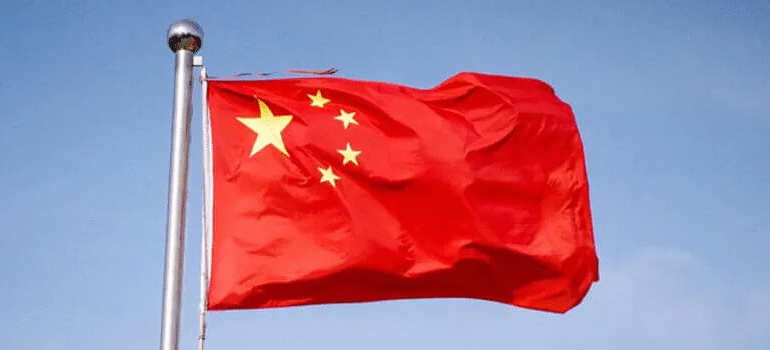


China has urged its citizens to avoid travelling to Japan following a diplomatic row triggered by comments from Japanese Prime Minister Sanae Takaichi on a potential military response to an attack on Taiwan.
Takaichi told parliament on November 7 that if Taiwan, claimed by China but self-ruled, were attacked, Japan might intervene under its “collective self-defence” laws.
The remarks, just weeks into her administration, have heightened tensions between the two nations.
On Friday, Beijing summoned Japan’s ambassador, while Tokyo also called in China’s envoy after an “inappropriate” online post, which has since been removed.
Despite the tensions, Japan has maintained its long-standing position on Taiwan, located about 100 kilometres from the nearest Japanese island.
China’s embassy in Japan warned citizens via a WeChat post against travelling to Japan, citing “significant risks to the personal safety and lives of Chinese citizens” due to what it described as “blatantly provocative remarks” from Japanese leaders.
Reacting to the advisory, Japan’s Chief Cabinet Secretary Minoru Kihara said Beijing’s warning was “inconsistent with the promotion of a strategic and mutually beneficial relationship.”
The Japanese government has asked China to take “appropriate measures.”
Takaichi, a conservative with a hawkish stance on China, has since toned down her rhetoric but has refused to retract her statement, saying it aligns with Tokyo’s policy.
She added that she would avoid referencing specific scenarios in the future.
The row follows a provocative social media post by China’s consul general in Osaka, which appeared to target Takaichi personally.
Japan protested, and her party passed a resolution seeking to declare the envoy persona non grata.
China considers Taiwan part of its territory and has not ruled out using force to assert control.
Both countries are major trading partners, but historical tensions and territorial disputes frequently test their relationship.
AFP
Titilope Adako is a talented and intrepid journalist, dedicated to shedding light on the untold stories of Osun State and Nigeria. Through incisive reporting, she tackles a broad spectrum of topics, from politics and social justice to culture and entertainment, with a commitment to accuracy, empathy, and inspiring positive change.