Despite Release of Kwara, Kebbi Abductees, Mass Kidnapping Continues Across Nigeria
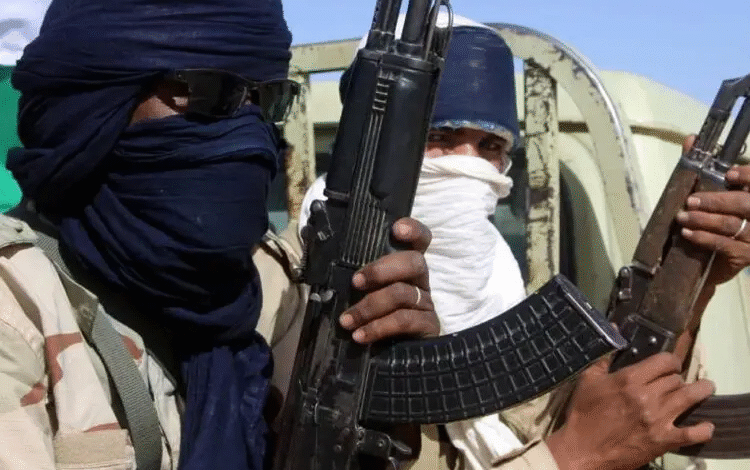


Despite the recent release of abducted victims in parts of Kwara and Kebbi states, new data shows that mass kidnappings remain widespread and unabated across Nigeria, casting doubt on claims that high-profile rescues signal a turnaround in the country’s security crisis.
According to a 2025 report by research firm SBM Intelligence, at least 4,722 people were kidnapped in 997 separate incidents between July 2024 and June 2025.
In that same period, 762 people lost their lives in abduction-related violence, a grim reminder of the lethal human toll.
The ransom industry also boomed: kidnappers demanded a staggering ₦48 billion from victims’ families, though only about ₦2.56 – 2.57 billion was reportedly paid.
The geographic distribution of the crisis remains heavily skewed. The report indicates that the Northwest region — particularly states such as Zamfara State, Katsina State and Kaduna State — continues to bear the brunt.
For example, Zamfara alone recorded 1,203 kidnapped victims in the period under review.
Mass kidnappings defined as incidents involving five or more victims accounted for roughly 23 per cent of all incidents. These often involved whole villages, travellers, schoolchildren, or people working in remote farms and mining areas.
High-profile recent cases have drawn public attention. In November 2025, for instance, 24 schoolgirls abducted at a boarding school in Kebbi State were reportedly rescued, according to a statement by the presidency.
Yet at the same time, other large-scale abductions continue: in a separate incident that month, more than 300 students and staff from a Catholic school in Niger State were kidnapped. Despite such dramatic rescues, security experts warn that isolated successes offer little solace for most Nigerians.
With thousands still being abducted and hundreds killed every year, the phenomenon has become deeply embedded. Analysts describe kidnapping not as sporadic criminality, but as a structured, profit-driven industry, fuelled by poverty, weak policing and porous rural terrain.
The human cost goes beyond numbers: entire communities have been displaced, farming and trade disrupted, and many families plunged into debt or destitution after ransom payments. Schools, farmlands and highways are increasingly deserted; rural-to-urban migration has surged in many affected states.
While the release of some high-profile abductees like the Kebbi schoolgirls provided momentary relief and hope, the broader crisis continues, multidimensional and deeply entrenched.
For many Nigerians, fear, uncertainty and trauma remain everyday realities.
Kazeem Badmus is a graduate of Mass Communication with years of experience. A professional in journalism and media writing, Kazeem prioritses accuracy and factual reportage of issues. He is also a dexterous finder of the truth with conscious delivery of unbiased and development oriented stories.