Editorial: A Very Well-Deserved Grammy for Fela Kuti
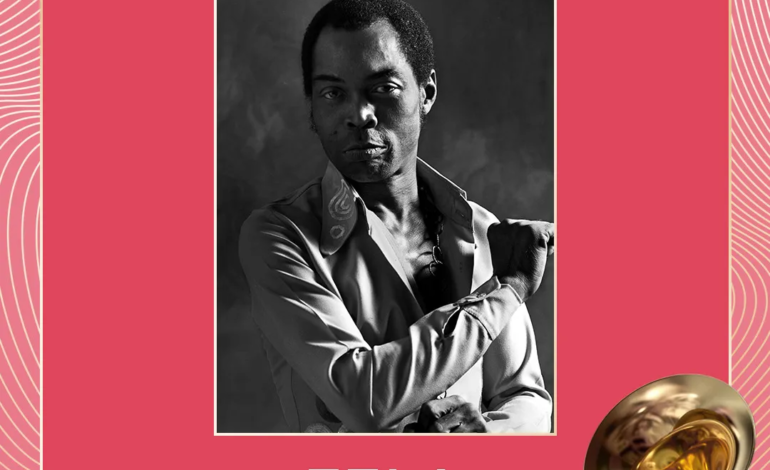


Amid the relentless flow of grim news, the posthumous recognition of Afrobeat pioneer Fela Aníkúlápó Kuti by the Grammy Awards has come as a rare breath of fresh air. The Lifetime Achievement Award bestowed on the legendary musician is not only richly deserved but also a powerful reminder of the enduring global impact of his art.
Fela did not merely create music; he launched a genre that has since become a major force in global popular culture. The honour has made not just Nigeria, but the entire African continent, profoundly proud.
This recognition should also provoke deep reflection within Nigeria. Over the years, the nation’s systems of honours and awards have been steadily devalued, sacrificed on the altar of mercantilism and political convenience. Too often, national honours lists read like chronicles of misplaced priorities, rewarding proximity to power rather than genuine contribution to society. In this context, the Grammy recognition of Fela underscores the value of higher standards and principled acknowledgement.
Fela Kuti was far more than a musical genius. He was a cultural revolutionary and a fearless social critic who helped define the post-independence era. Through his music, he offered sharp, often uncomfortable analyses of power, corruption and social injustice—commentaries that remain strikingly relevant decades later. He was, in many respects, the social interpreter of his time, using rhythm and lyric as tools of resistance and enlightenment.
It is therefore painful to recall that when Fela died, he was denied the kind of national honour accorded to cultural icons elsewhere. Bob Marley, for instance, was buried in Jamaica with full state honours, in recognition of his cultural and economic significance. In Nigeria, however, charlatans are often granted what is absurdly described as “befitting burials,” while true heroes are neglected. This sad reality exposes the vacuous mendacity of the political establishment and its failure to properly value excellence.
Beyond culture, Fela represented a missed economic opportunity. In a celebrated eulogy for Bob Marley, former Jamaican Prime Minister Norman Manley noted Marley’s positive impact on the Jamaican economy through foreign exchange earnings from record sales and tourism. Nigeria never fully harnessed Fela’s global appeal as an economic asset, despite the fact that Nigerian students abroad in the 1970s clearly understood his international potential.
Today, as Afrobeat and Afrobeats dominate global charts and festivals, Fela’s pioneering role is undeniable. His legacy laid the foundation upon which contemporary Nigerian and African artists now build, generating immense cultural capital and economic value worldwide.
We salute the courage, foresight and enduring relevance of Fela Aníkúlápó Kuti and others like him. Their contributions transcend time and politics. Heroes deserve to be recognised—first and foremost at home. Adieu, Abami Eda.