EDITORIAL: Platitudes on Patience and Suffering
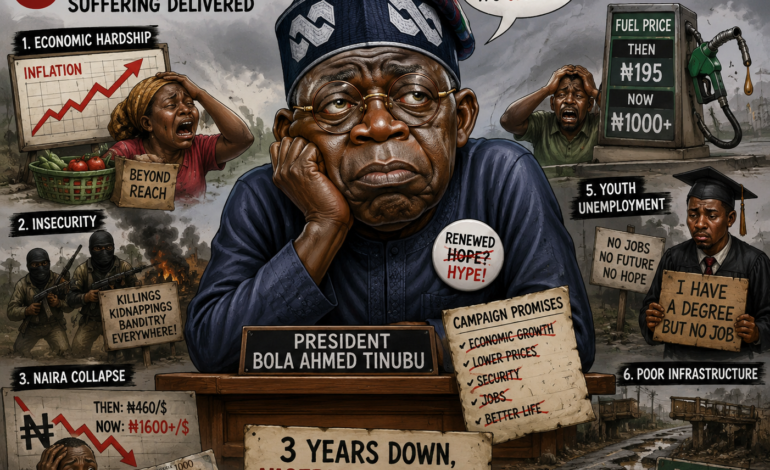


If any measure of human empathy remains in our public life, this should be a season of sobriety, introspection, and moral reckoning. Across many parts of the country, lives are being shattered by violence, abductions, killings, and widespread insecurity. Yet, instead of reflection and accountability, Nigerians are being subjected to an endless stream of official spin and political theatrics designed to create an alternative reality.
The truth, however, is far more difficult to conceal. Nigerians know that they are worse off today than they were three years ago. They experience the hardship daily in rising living costs, declining purchasing power, worsening insecurity, and a growing sense of uncertainty about the future.
More troubling is the apparent insensitivity shown towards the victims of these tragedies and their families. The anguish of those who have lost loved ones, suffered abductions, or endured brutal attacks deserves compassion and solidarity from those entrusted with leadership. Instead, what many have witnessed is a disturbing absence of empathy.
A particularly painful example was the handling of the recent tragedies that coincided with Children’s Day celebrations. Rather than seeing senior government officials visit affected families and communities to offer comfort and reassurance, the public was treated to hollow statements and self-congratulatory rhetoric. Such conduct only widened the gulf between the government and the governed. It was an unfortunate display of disconnected leadership, and one that did little to inspire confidence at home or respect abroad.
To further underscore this disconnect, citizens were once again lectured about the virtues of patience and the supposed necessity of suffering. Nigerians have repeatedly been told to endure hardship today in anticipation of a better tomorrow. Yet there has been little discussion about leadership by example, fiscal restraint at the highest levels of government, or the sacrifices expected of those in power.
On the contrary, the public continues to witness displays of official excess that contradict the message being preached. The sight of ordinary citizens trapped for hours in traffic because of presidential movements serves as a stark reminder of the distance between the rulers and the ruled.
Patience is a virtue, but it cannot become a permanent substitute for good governance. Neither can suffering be elevated into a national policy or presented as a civic obligation. Citizens deserve competent leadership, accountability, security, and a tangible improvement in their quality of life.
Ultimately, Nigerians must take their civic responsibilities seriously. Democracy offers a peaceful mechanism for demanding accountability. When leaders fail to serve the public interest, citizens possess the power and indeed the duty to respond through the ballot box. The future of the nation depends not only on those who govern, but also on the willingness of the governed to hold them accountable.