Editorial: Trump’s Second Coming
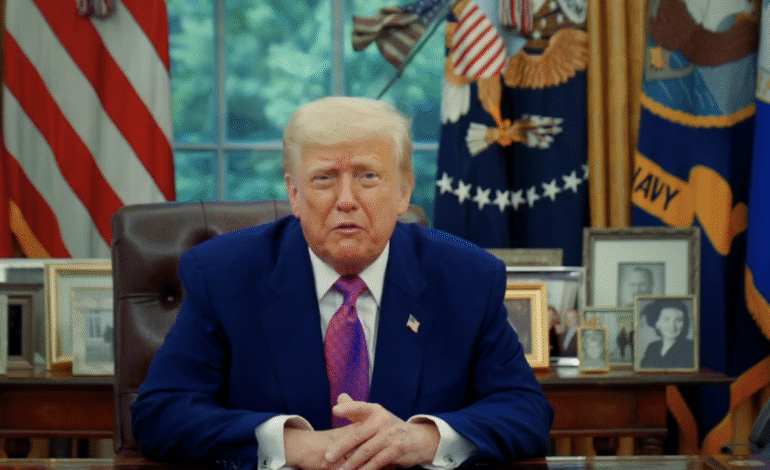


United States President Donald Trump has not ruled out another military strike or intervention in Nigeria, a position he reportedly stated in a recent interview with The New York Times. Nigeria would be unwise to dismiss such remarks. They amount to a warning that demands sober reflection rather than political posturing.
Before contemplating any future intervention, the country must first confront the consequences of the last one. There has been no public post-mortem, no transparent accounting of outcomes, and no clear explanation of what was gained—or lost. Shielded under the familiar cloak of “national security,” Nigerians remain in the dark, even as the effects continue to unfold.
One consequence is unmistakable. Terrorist groups, dislodged from their former strongholds, have simply relocated. Smoked out of familiar terrain, they have drifted into new communities, spreading fear and bloodshed. Whether this displacement was anticipated, and whether any contingency plans existed, remains unclear. What is clear is that the resulting carnage serves as a stark warning against poorly sequenced military action.
Any renewed foreign intervention also raises serious questions of sovereignty and strategy. External force, no matter how well-intentioned, cannot substitute for coherent local control. Without Nigerian leadership at the centre, such actions risk deepening instability rather than resolving it.
There is, however, a compelling alternative. Nigeria’s Special Forces have repeatedly demonstrated professionalism and effectiveness, most notably in their role in thwarting an attempted coup in neighbouring Benin Republic. Their performance underscores what is possible when capacity, intelligence, and coordination align.
In the unconventional war Nigeria faces, Special Forces are not peripheral—they are decisive. Strengthening them through better funding, training, intelligence support, and structured partnerships with friendly nations offers a far more sustainable path than reliance on foreign strikes.
Nigeria must therefore anticipate the possibility of renewed collaboration and prepare deliberately for it. Preparation, not panic, must guide policy. If another intervention is ever contemplated, it must be informed by hard lessons, clear objectives, and Nigerian leadership firmly in command.