EDITORIAL: Will The New Coalition Take Us Back?



A lot has been said about the new coalition or the ADC. The question that keeps coming up is: where will the new coalition take us? A lot of opinion molders say it will take us back to a negative place. This issue must be faced squarely: where were we coming from in the first place?
The fact is, bad as things were, Nigeria has never since, even since the austerity measures of 1962, found itself in this conundrum. The coalition, from how it’s shaping up, is not going to take the country back. The coalition offers a clear alternative perspective that has to be considered. It might not be the right position, but it should be considered.
The situation in Nigeria today is alarming. Twenty-seven people were slaughtered in a clear genocide attempt in Plateau State just 48 hours ago. This is no longer front-page news; it’s now alarmingly seen as routine.
Take us back? How many jobs were created in the Federal Republic of Nigeria in the last nine months? This is within the backdrop of 600,000 young people being given youth discharge certificates. This is within the backdrop of people coming out of apprenticeship courses in vocational frameworks, and where are their jobs coming from? Those who have obtained freedom as mechanics, plumbers, and so on, what are their prospects in life? Ideally, they ought to, with that freedom certificate, be transiting gradually into a home-owning middle class. This was the framework.
The framework has to be two-fold: one, to pull tens of millions of Nigerians out of poverty, and two, to transit some of those pulled out of poverty into a home-owning middle class. This is what we saw in the 1950s and 1960s, where through various schemes, people paid monthly rent to eventually own their own houses, creating a middle class that endures today. We must go back to that.
The fact is, the current framework is not an anti-poverty position of the type the late Chief MKO Abiola had in mind in 1993, when the Central Trust was to wage an unrelenting war against poverty and its causes. The coalition is bent on waging a war against poverty, creating a society based on equity, fairness, and production – specifically, export-led production that will balance the country’s payments situation in international trade, bring down production costs, and stabilize the naira’s value.
We must be clear: inflation is a punitive tax on the least protected sectors. Does the coalition have something to offer? We believe they do. They offer a fresh perspective and hope, similar to Chief MKO Abiola’s 1993 position and program. Hope is not based on good intentions alone; it’s based on a clear, costed program to build a new society founded on fairness and equity.
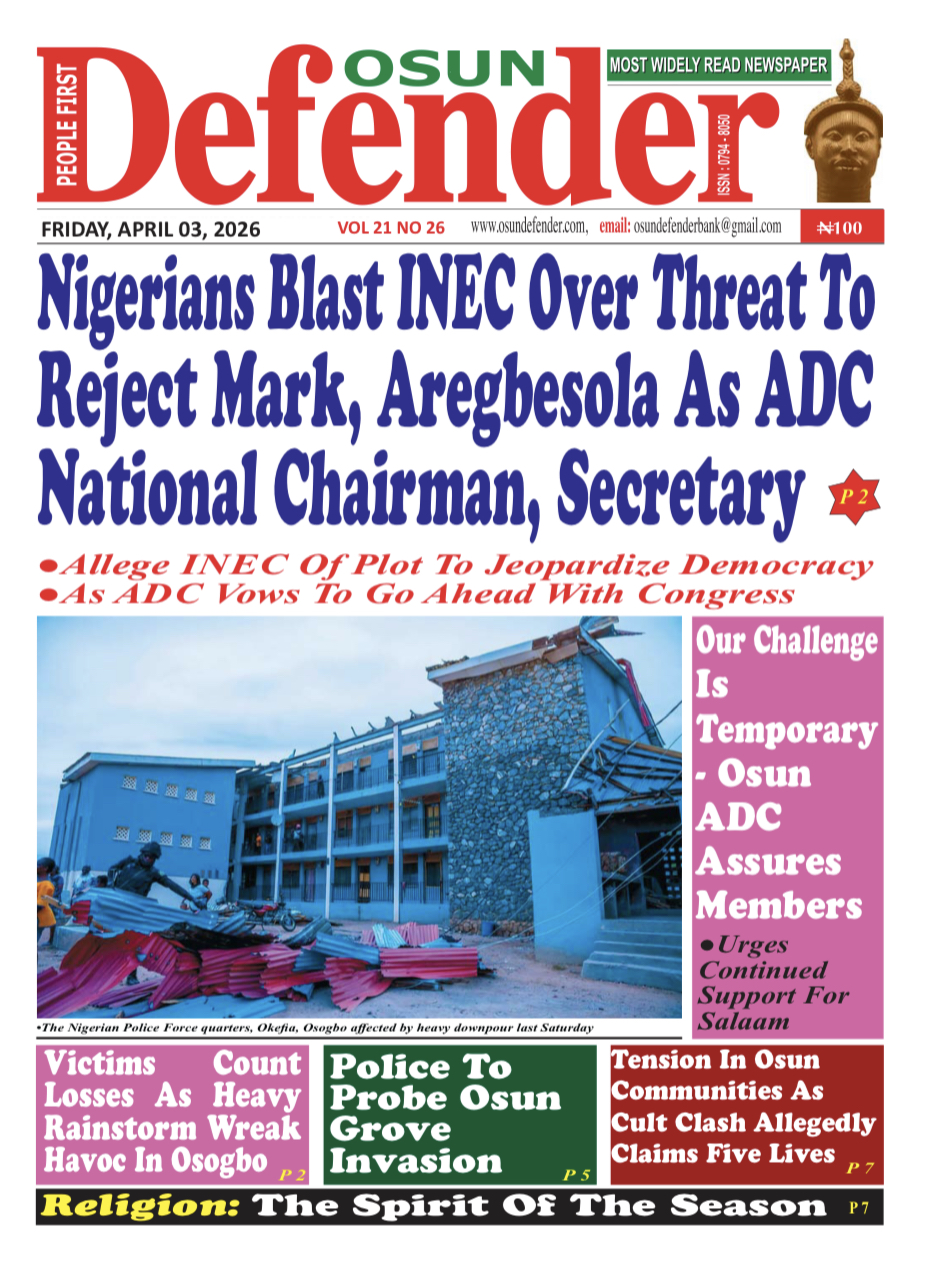
Many in the coalition have demonstrated their ability to translate theory into practice. For example, Ogbeni Rauf Aregbesola, as Governor of Osun State, showed that a new, fairer society can be created. His initiatives in education, health, Agricultural and the school feeding program were sensational breakthroughs, demonstrating for example that school feeding can reinvigorate the production base of society when inputs are sourced locally.
Facing Nigeria today, we have two roads ahead. The first road is the journey we’ve been on for decades – perennial underachievement leading to tens of millions of people being mired in multi-directional poverty. The alternative road, presented by the new coalition, is to take a departure from this underachieving path and focus on putting the people first. This involves shifting from consumption to production and sharing the benefits and profits of production.
Nigeria is at a crossroads. Any discerning thinker will agree that the new coalition offers a glimmer of hope out of the despair we’re in today.