Falana Faults Dangote Refinery Over Union Rights, Says Deal Violates Labour Law
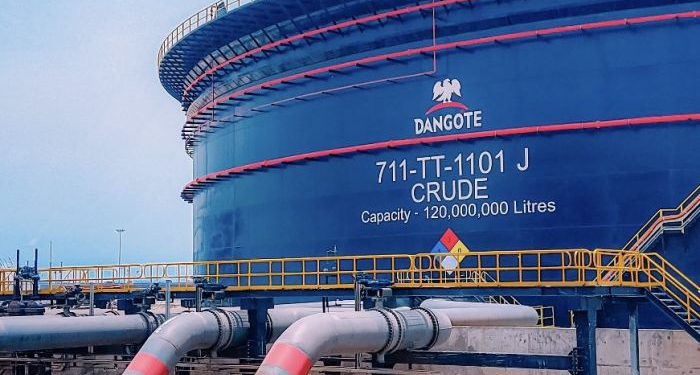


Human rights lawyer, Femi Falana (SAN), has faulted the agreement reached between the Federal Government, NUPENG and the management of Dangote Refinery and Petrochemicals on workers’ unionisation, describing it as a violation of the Trade Union Act.
Falana made this known while presenting a paper titled Automatic Membership of Trade Unions for Workers at a national webinar on Abuse of Market Dominance and Unfair Labour Practices organised by the FCCPC in collaboration with the University of Lagos on September 15, 2025.
The webinar followed a strike by NUPENG after allegations that Dangote Refinery compelled new drivers to sign undertakings not to join any existing oil and gas union.
The strike was later suspended after the State Security Service brokered peace.
Part of the truce was that workers who were “willing to unionise” would be allowed to do so within two weeks, and the company would not form a rival union. But Falana rejected the arrangement, saying it contradicted labour law.
“As far as the law is concerned, employees of Dangote Refinery and Petrochemicals are deemed to be members of NUPENG.
“The question of allowing only those willing to unionise to do so within two weeks is completely at variance with the Trade Union Act,” he said.
He cited cases including Nestoil v NUPENG (2012) and Eyiaromi Oladele v Attorney General, Lagos State (2017) to argue that junior staff automatically belong to trade unions unless they formally opt out, while senior staff must expressly opt in.
Falana stressed that employers have no legal authority to determine membership procedures or interfere in union affairs.
He reminded that rulings from the National Industrial Court and Court of Appeal affirmed that once a union is registered, employers must recognise it, grant access to workers, and remit check-off dues.
He also dismissed claims that compulsory membership for junior workers is unconstitutional, pointing out that professions like law and medicine already operate under automatic membership systems.
On fears that strong unions undermine free markets, Falana countered that robust trade unionism thrives in capitalist economies such as the UK, US and Japan.
He added that multinational firms in Nigeria, including NLNG, recognise both NUPENG and PENGASSAN without disruption to their operations.
He urged vigilance from the two unions, stressing that workers’ rights to unionise are guaranteed under the Constitution, the Trade Union Act and international labour conventions.
“Employers of labour must be restrained from interfering with unionisation in any manner whatsoever. Workers are deemed to be members of their industry’s trade unions, and their only choice is whether to opt out—not whether to join,” Falana declared.
Titilope Adako is a talented and intrepid journalist, dedicated to shedding light on the untold stories of Osun State and Nigeria. Through incisive reporting, she tackles a broad spectrum of topics, from politics and social justice to culture and entertainment, with a commitment to accuracy, empathy, and inspiring positive change.