- Tinubu’s Govt ‘Drifting Us Into Neocolonialism’ — Netizens
- What France–FG MoU Seeks To Achieve — FIRS Explains
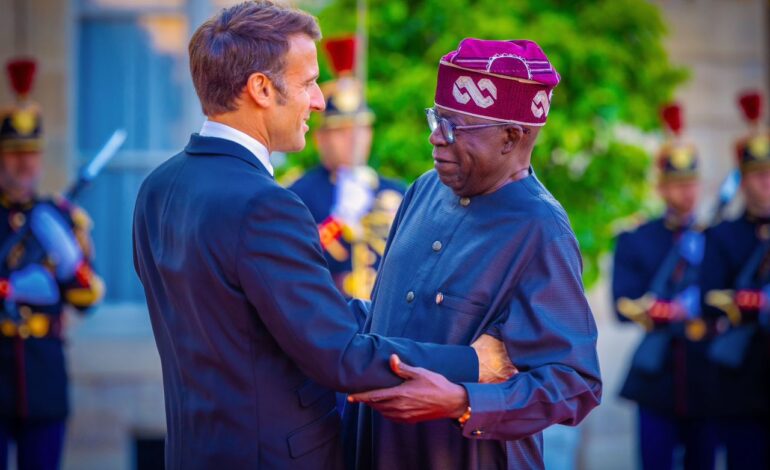
Concerns have continued to trail the Memorandum of Understanding (MoU) signed between Nigeria’s Federal Inland Revenue Service (FIRS) and France’s tax authority, Direction Générale des Finances Publiques (DGFiP), as Nigerians took to social media to express fears over data sovereignty and foreign influence.
The agreement, signed in early December 2025, is intended to support Nigeria’s digital tax administration, capacity building and knowledge exchange ahead of FIRS’ transition into the Nigeria Revenue Service (NRS) in January 2026.
Following the disclosure of the agreement online, several users on X and Instagram criticised the deal, accusing the Federal Government under President Bola Tinubu of handing sensitive national responsibilities to a former colonial power.
Many also suggested the deal is tantamount to allowing a foreign power access to Nigeria’s tax systems and taxpayer data.
Some of the posts, which described the government as drifting into colonialism, accused the Tinubu administration of compromising sovereign control.
Others also warned that France could end up with influence over Nigeria’s internal tax mechanisms, a claim widely shared on platforms such as X and Reddit.
One X user wrote, “So France now needs to help Nigeria manage tax data? This is how colonialism starts again.”
Another commented, “Why can’t Nigerian experts handle this? Everything must involve France or the West.”
Others were more blunt. “Tinubu’s government is drifting us back into colonialists,” a user said, while another warned, “Once foreign governments touch your tax systems, your sovereignty is gone.”
On Instagram, similar sentiments were echoed. A commenter asked, “Are we saying Nigeria does not have professionals who understand taxation and technology?” Another added, “Today it’s tax data, tomorrow it will be something else.”
Some users also linked the agreement to wider economic frustrations, with one post stating, “They keep increasing taxes at home, yet inviting foreign countries to ‘advise’ us.”
The reactions sparked debates around trust in government reforms, data protection and the role of foreign partnerships in sensitive sectors.
- What France–FG MoU Seeks To Achieve — FIRS Explains
In response to the backlash, FIRS issued a clarification signed by Dr. Umar Ahmed, its Director of Intergovernmental Affairs.
Dr. Ahmed said the MoU is strictly a technical assistance and capacity-building framework and does not give France access to Nigerian tax data, digital infrastructure or operational control.
He stressed that all Nigerian laws on data protection, sovereignty and cybersecurity remain fully in force, adding that the agreement contains strong confidentiality provisions.
According to him, the DGFiP is one of the world’s most experienced tax administrations, and the collaboration is advisory, non-intrusive and aimed at strengthening FIRS’ institutional capacity as it transitions to the NRS.
He also dismissed claims that local firms were sidelined, noting that FIRS continues to work with Nigerian technology companies such as NIBSS, Interswitch, Paystack and Flutterwave.
Dr. Ahmed said informed public discourse was welcome but urged Nigerians to judge the MoU based on its content, not speculation, insisting that Nigeria retains full control over its tax systems, data and policy direction.

Kazeem Badmus is a graduate of Mass Communication with years of experience. A professional in journalism and media writing, Kazeem prioritses accuracy and factual reportage of issues. He is also a dexterous finder of the truth with conscious delivery of unbiased and development oriented stories.