Ghana Expels Six Africans to Togo After US Deportation
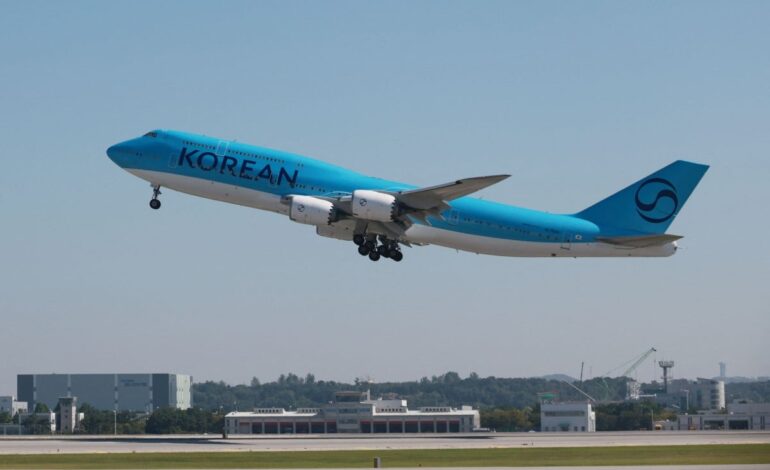

Ghana has expelled at least six West African deportees to Togo after they were flown into Accra as part of an immigration crackdown by United States President Donald Trump.
On Tuesday, lawyers for the deportees confirmed that 11 individuals had sued the Ghanaian government to stop their removal, but six were deported over the weekend while the case was still in court.
One was released to a relative in Ghana, while the fate of the remaining four remains unclear.
“They were deported while proceedings were ongoing. Six are confirmed to have been sent to Togo, one was released to family, but we cannot trace the others yet,” lawyer Oliver Barker-Vormawor told AFP.
The deportees, from Nigeria, Togo, Mali, Liberia and Gambia, were flown to Ghana in early September. Lawyers allege they were held without charge despite having protection orders from US immigration authorities.
Barker-Vormawor stressed that the deportees were asylum seekers in the US, fleeing persecution linked to religion, politics, and sexual orientation. One Gambian deportee, identified as bisexual, is now in hiding fearing for his life in his home country where same-sex relations are outlawed.
Reports indicate that the deportees were kept in poor conditions at a facility guarded by soldiers. A Nigerian among them said he fled torture by security forces and is married to a US citizen.
The deportations are part of a wider Trump administration policy of transferring people to third countries instead of their nations of origin, a move that has stirred global concern.
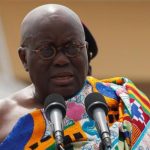
Ghana’s Foreign Minister, Samuel Okudzeto Ablakwa, confirmed that 40 more deportees are expected in the coming days. He defended the decision as a humanitarian gesture and not an endorsement of US policy.
Opposition groups in Ghana have criticised the deal, saying parliament was not informed. Confusion also trails the true number of those deported and their current whereabouts.
Titilope Adako is a talented and intrepid journalist, dedicated to shedding light on the untold stories of Osun State and Nigeria. Through incisive reporting, she tackles a broad spectrum of topics, from politics and social justice to culture and entertainment, with a commitment to accuracy, empathy, and inspiring positive change.