Iran Reopens Strait Of Hormuz
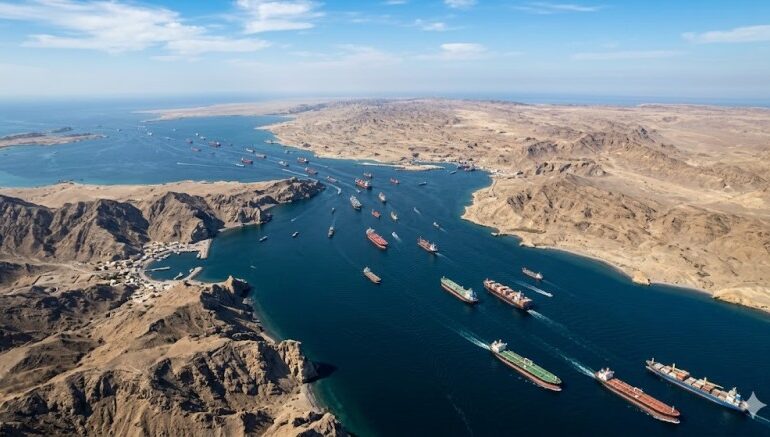


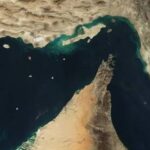
Iran on Friday declared the strategic Strait of Hormuz “completely open” for commercial shipping for the duration of an ongoing ceasefire, marking a dramatic shift from days of disruption that rattled global oil markets and heightened fears of a wider regional conflict.
Iran’s Foreign Minister Abbas Araghchi, made the announcement following the commencement of a 10-day truce in Lebanon involving Israel and the Iran-backed Hezbollah, a ceasefire brokered with the backing of the United States and announced by Donald Trump.
“In line with the ceasefire in Lebanon, the passage for all commercial vessels through Strait of Hormuz is declared completely open for the remaining period of ceasefire,” Araghchi said in a statement, signalling a temporary easing of tensions in one of the world’s most critical energy corridors.
The Strait of Hormuz, a narrow maritime chokepoint through which roughly a fifth of global oil supply passes, had been effectively shut since the outbreak of hostilities, triggering panic across international markets. Oil prices surged sharply during the closure, reflecting fears of prolonged supply disruptions.
The reopening, however, sent immediate shockwaves in the opposite direction. Global oil prices plunged by more than 11 per cent, while major European stock markets rallied and US futures pointed to a stronger trading session, underscoring the strait’s outsized influence on the global economy.
The closure had prompted a swift military response from Washington, with the United States imposing a naval blockade on Iranian ports.
The head of United States Central Command (CENTCOM) confirmed earlier that the blockade had been “fully implemented,” effectively restricting maritime movement in the region.
Despite the heightened tensions, limited movement had begun to resume even before the official reopening. Data from maritime tracking platforms showed a Pakistani-flagged tanker successfully navigating the strait on Thursday, one of the few vessels to transit the route during the standoff.
The Strait of Hormuz has long been a flashpoint in Middle East conflicts, given its strategic importance as the primary export route for crude oil from Gulf producers. Any disruption to its flow typically reverberates across global markets, affecting fuel prices, inflation, and economic stability far beyond the region.
Olamilekan Adigun is a graduate of Mass Communication with years of experience in journalism embedded in uncovering human interest stories. He also prioritises accuracy and factual reportage of issues.