Nepal PM Oli Resigns After Protests Kill 19
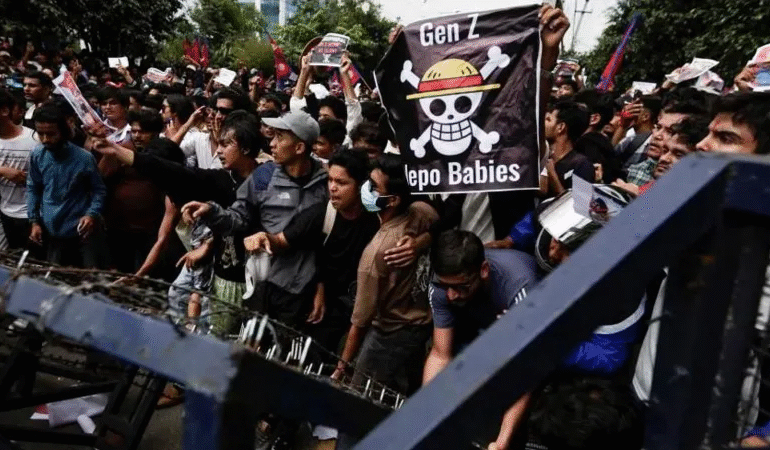

Nepal on Tuesday lifted its social media ban just hours before Prime Minister KP Sharma Oli resigned, following violent protests that left at least 19 people dead.
The restrictions, which lasted five days, had blocked access to Facebook, YouTube and X, sparking widespread outrage, especially among young people.
Communications Minister Prithvi Subba Gurung confirmed the ban was lifted, saying it was one of the key demands of demonstrators.
The move, however, failed to douse tensions. Defying curfews in Kathmandu and other cities, protesters set tyres on fire, attacked government buildings, and demanded justice for those killed in one of Nepal’s deadliest crackdowns in years.
Police confirmed 17 deaths in the capital and two in Sunsari district, while about 400 people were injured, including over 100 officers. Hospitals reported being overwhelmed, with tear gas even seeping into medical wards.
Amnesty International accused security forces of using live ammunition, while the United Nations called for a swift and transparent investigation into the killings.
Oli, 73, tendered his resignation in a letter to the president, saying he was “deeply saddened” by the deaths and was stepping aside to allow “a political solution and resolution of the problems.” His decision came after the interior minister also resigned following an emergency cabinet meeting.
The protests began on Friday when the government blocked 26 unregistered online platforms, fuelling anger in a country where digital spaces are vital for communication, business, and activism.
TikTok, which remained accessible, became a hub for viral videos showing ordinary citizens’ struggles alongside the lavish lifestyles of politicians’ children.
“This isn’t just about social media, it’s about trust, corruption, and a generation that refuses to stay silent,” the Kathmandu Post wrote in an editorial.
Nepal, with a population of 30 million and nearly half under 40, has long battled political instability, corruption and slow economic growth.
Oli’s exit marks yet another leadership transition in the country’s fragile democratic journey since abolishing the monarchy in 2008.
AP
Sodiq Yusuf is a trained media practitioner and journalist with considerable years of experience in print, broadcast, and digital journalism. His interests cover a wide range of causes in politics, governance, sports, community development, and good governance.