Nigeria Sitting On Gunpowder Keg; Your Policies Are Anti-People, Ill-Timed – Afenifere To Tinubu
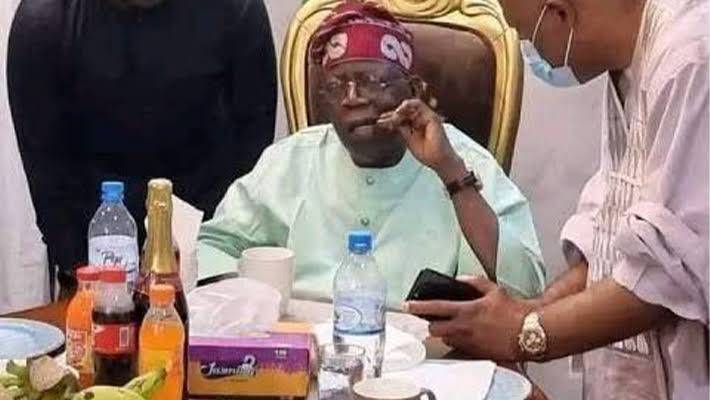


Pan Yoruba socio-political organisation, Afenifere, has reacted to the recent statement of President Bola Tinubu where he said Nigeria would have faced bankruptcy if not for the economic reforms implemented by his administration.
Tinubu had while receiving a delegation of former National Assembly colleagues from the aborted Third Republic, defended his government’s economic decisions.
He told the delegation that, “For 50 years, Nigeria was spending money of generations yet unborn and servicing the West coast of our subregion with fuel. It was getting difficult to plan for our children’s future.”
He added, “We faced serious headwinds when I took over, very challenging times. Nigeria would have been bankrupt if we had not taken the actions that we took, and we had to prevent the economy’s collapse.”
But responding through its Publicity Secretary, Prince Justice Faloye, Afenifere dismissed the President’s assertion, insisting that the economic crisis was self-inflicted due to missteps by the administration.
The group criticised the removal of fuel subsidies before the operationalisation of the Dangote Refinery, a move they argued contradicted Tinubu’s campaign promises.
According to the group, these policies have exacerbated inflation and economic hardship in the country.
Afenifere cautioned that the worsening economic situation was not a political issue but a matter of national survival.
The group warned that “The political class must realise that we are sitting on a gunpowder keg that will explode when the poor can’t take it any longer. A stitch in time saves nine.”
Faloye further criticised the timing of Tinubu’s policies, arguing that floating the naira while the country was still importing fuel — constituting a significant portion of Nigeria’s import bill — was a grave mistake.
“These two ill-timed policies have cost millions their lives and livelihoods, so inflation rates, and not food prices decreasing, is medicine after death caused by criminal negligence of the government,” he stated.
Afenifere linked the nation’s prolonged economic decline to past subsidy removals, arguing that they have progressively driven Nigerians into poverty, with the worst effects now being felt under Tinubu’s government.
He also argued that fuel prices and other import costs could decrease if the funds saved from subsidy removal were injected into the foreign exchange market, as was done in January with an $8billion intervention.
However, he lamented that the hasty removal of subsidies may have permanently damaged the economy.
Afenifere criticised the government’s lack of a concrete plan to improve Nigerians’ living standards, stating that the administration remains “ideologically clueless on how to stimulate our consumer nor producer markets to create wealth.”
“The problem has been anti-people economic policies. We are nowhere near El Dorado than we were in 1978 when education subsidies were removed, and he has placed our education on student loans,” Faloye noted.
Olamilekan Adigun is a graduate of Mass Communication with years of experience in journalism embedded in uncovering human interest stories. He also prioritises accuracy and factual reportage of issues.
Related posts:
 Your Economic Policies Making Nigerians Poorer – Afenifere Knocks Tinubu
 Stop Creating Problem For Tinubu 2023 Presidential Ambition With Your Anti Herders Policies, Miyetti Allah Tells S’ West Governors
 Mentally Ill People Have Higher Smoking Rates
 Our Policies And Programmes Are Pro-People – Oyetola