“No Chairs, No Roof”: Kano School In Ruins Despite Multi-Billion Naira Education Funds
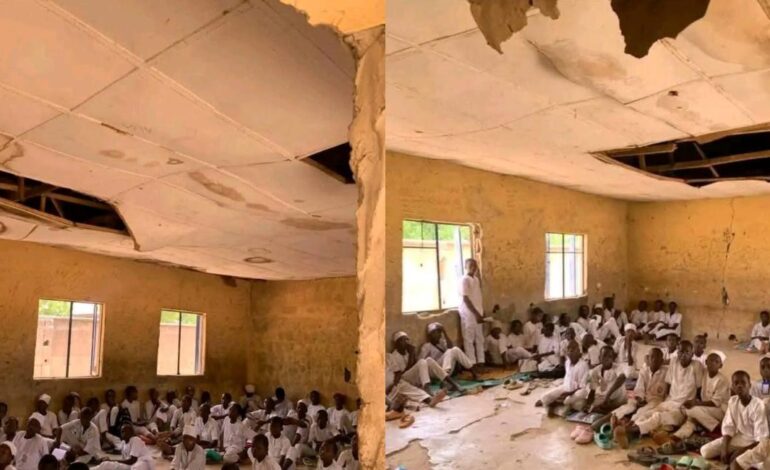


Despite years of hefty budgetary allocations and international donor interventions running into billions of naira, students of Government Secondary School, Bachirawa, in Ungogo Local Government Area of Kano State, are still forced to learn in dilapidated classrooms unfit for human occupation.
A civic technology platform, Monitng, raised the alarm in a recent field report, describing the school’s condition as a shameful representation of the state of public education in Kano and a grave injustice to the future of the affected pupils.
According to the group, one of the classrooms inspected at the school had neither chairs, windows, nor doors. The ceiling was wide open, and the walls were crumbling. This is a situation that forces students to sit on the bare floor under the scorching sun while struggling to learn.
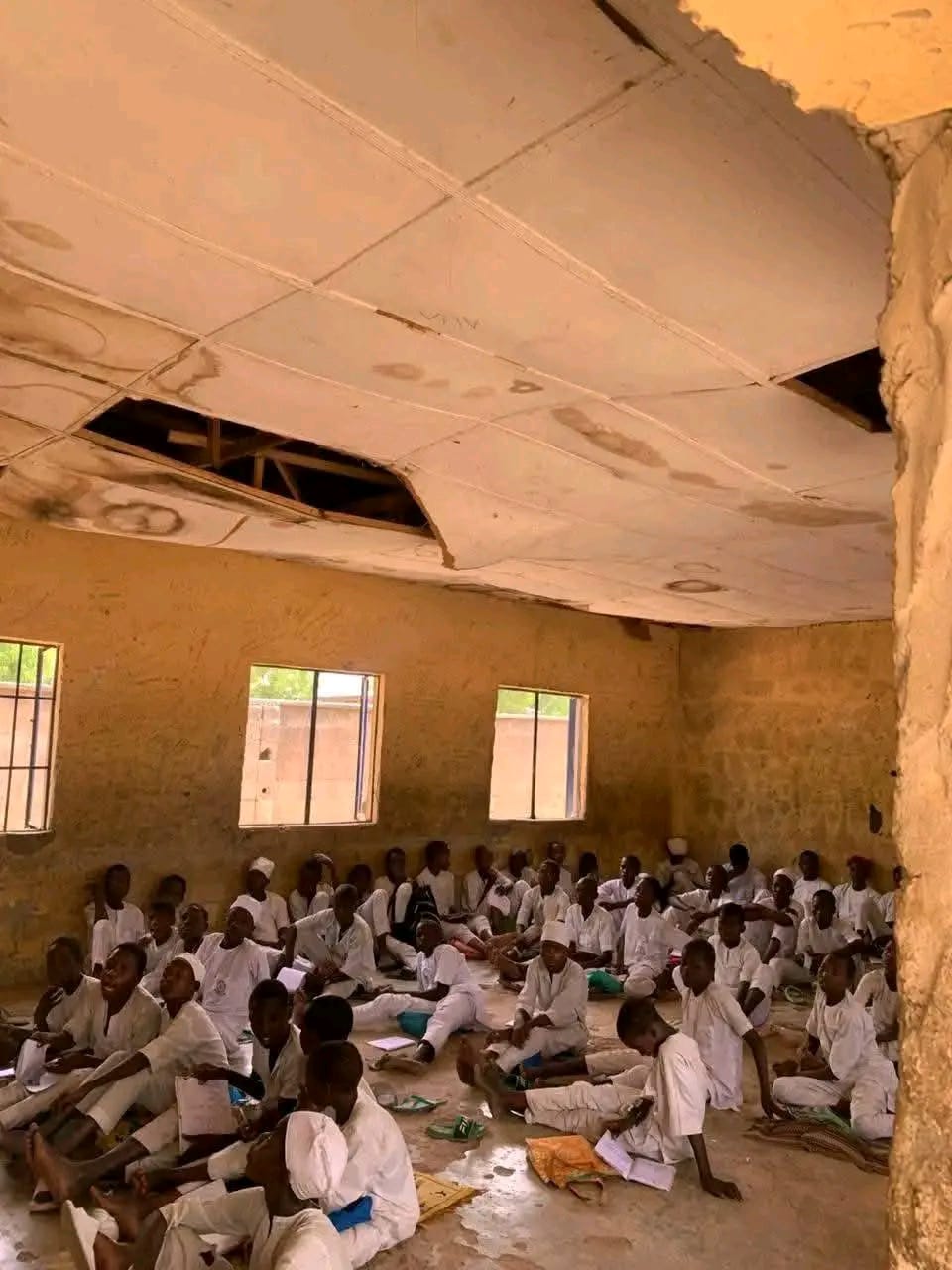
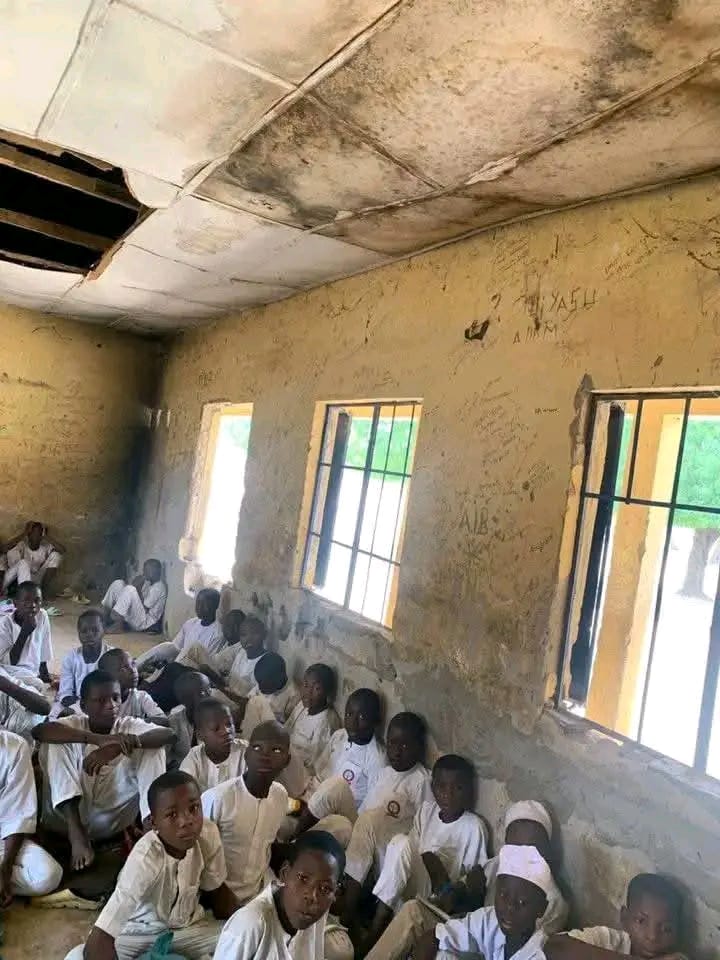
“The condition of this classroom is not only unacceptable, it is shameful. No child should be forced to learn in a structure that looks abandoned and unsafe. This is a betrayal of their right to quality education,” Monitng lamented.
Despite the billions reportedly spent by successive governments, including the current administration, and financial assistance from bodies such as UNICEF, the World Bank, the UK’s Foreign, Commonwealth and Development Office (FCDO), and the Global Partnership for Education (GPE), the learning environment remains in a sorry state.
The platform questioned the accountability of these funds, stating that the persistent decay points to “either gross mismanagement or complete neglect of duty by relevant authorities.”
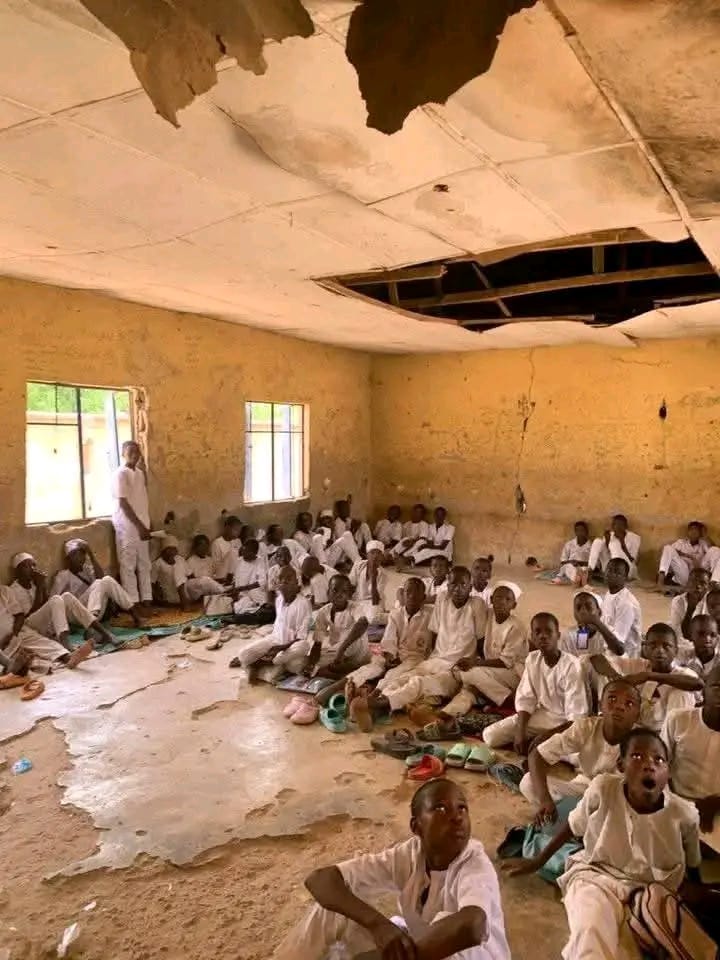
“It is appalling that in 2025, Nigerian children are still subjected to such inhumane learning conditions. The children of Bachirawa deserve better. Every child in Kano deserves better,” Monitng said.
It called on the Kano State Government, the Federal Ministry of Education, the Universal Basic Education Commission (UBEC), the State Universal Basic Education Board (SUBEB), and other education stakeholders to urgently intervene and salvage the future of the affected children.
“This is not just about a classroom. It’s about the future of thousands of children who are being left behind in silence. Let this image be a wake-up call. Enough is enough,” the report concluded.
As at the time of filing this report, efforts to get a response from Kano State’s Ministry of Education proved abortive, as calls and messages to the Commissioner’s known contact went unanswered.
Sodiq Lawal is a passionate and dedicated journalist with a knack for uncovering captivating stories in the bustling metropolis of Osun State and Nigeria at large. He has a versatile reporting style, covering a wide range of topics, from politics , campus, and social issues to arts and culture, seeking impact in all facets of the society.
Related posts:
 Kogi Primary School Pupils Sit Under Collapsing Roofs, Broken Chairs Despite Gov. Ododo’s N29bn Education Budget
 Senior Customs Officers Suspected In Multi-Billion Naira Corruption Allegations
 NDLEA Arrest Cocaine Trafficking Couple, Others, Recovers Multi-Billion-Naira Cocaine, Fentanyl Consignments
 Special Report: Multi-Billion Naira Hospital Project Awaits Commencement Of Operations A Year After Commissioning In Osun