Peter Obi Criticises FG’s $1bn Lagos Port Upgrade as Unfair
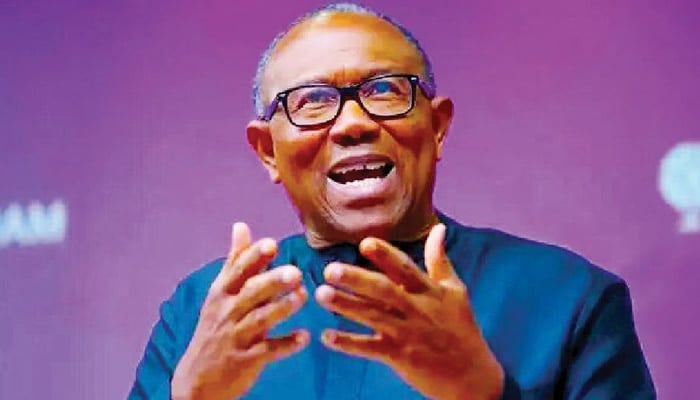


Former Anambra State Governor and 2023 Labour Party presidential candidate, Peter Obi, has criticised the Federal Government’s approval of $1 billion (₦1.4 trillion) for the modernisation of Apapa and Tin Can Island ports in Lagos, calling it unfair to other regions and poorly timed given Nigeria’s economic challenges.
Obi’s remarks followed an announcement by the Minister of Marine and Blue Economy, Adegboyega Oyetola, on Wednesday that the Federal Executive Council had approved the funds for a complete overhaul of the two major Lagos ports.
The project, aimed at automating operations, deepening channels, reducing congestion, and positioning Lagos as a leading maritime hub in West Africa, is expected to begin in early 2026 and conclude within four years.
Oyetola said the upgrade would create thousands of jobs, boost trade efficiency, and attract private investment.
On Friday, Obi took to X to express his disapproval, arguing that Nigeria’s infrastructure spending remains heavily concentrated in Lagos while other strategic ports such as Warri, Port Harcourt, Calabar, and Onne are neglected.
He said this concentration has caused congestion, higher transport costs, and delays that hinder businesses and discourage investment.
Obi cited examples from other developing countries that have balanced port development.
He noted that Vietnam, Indonesia, South Africa, Egypt, Morocco, Algeria, and even Ghana maintain multiple ports across their territories to ensure nationwide connectivity and economic inclusivity.
“Developing other ports in the Niger Delta and South East would not only ease pressure on Lagos but also create millions of jobs and promote industrial growth. This is not merely an infrastructural necessity but a national imperative,” he wrote.
He further questioned the timing of the project, highlighting that with over 60 percent of Nigerians living in poverty, committing $1 billion to a single regional initiative showed misplaced priorities.
Obi suggested that the government should instead invest in sectors like agriculture, education, and healthcare, which directly impact citizens’ lives.
Obi also raised concerns about transparency and potential corruption, citing past infrastructure projects that failed to deliver meaningful benefits.
He urged the government to ensure fairness, accountability, and a balanced approach to national development.
“Now more than ever, Nigeria must rebuild with fairness, guided by equity, integrity, and a clear vision to transform our nation from one of consumption to one of production and shared prosperity,” Obi concluded.
Titilope Adako is a talented and intrepid journalist, dedicated to shedding light on the untold stories of Osun State and Nigeria. Through incisive reporting, she tackles a broad spectrum of topics, from politics and social justice to culture and entertainment, with a commitment to accuracy, empathy, and inspiring positive change.