Ramadan: Why You Should Avoid Overeating During Fasting – Experts
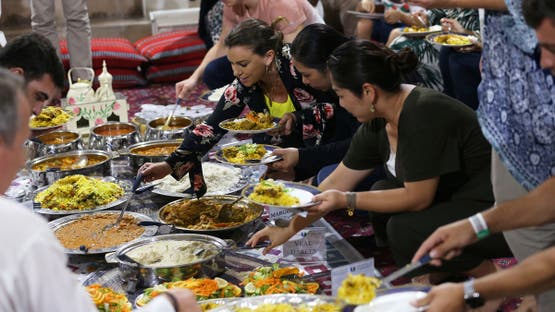


As Muslims across the world observe the holy month of Ramadan, senior public health and nutrition experts have cautioned against overeating and poor dietary choices after breaking fast, warning that such habits could have serious health consequences.
The experts advised those fasting to prioritise the intake of essential nutrients necessary for bodily functions, while also warning against the consumption of acidic foods or drinks on an empty stomach.
A Professor of Public Health Nutrition at Obafemi Awolowo University, Ile-Ife, Beatrice Ogunba, explained that during fasting, the body primarily relies on fats and proteins for energy after initial carbohydrate stores are depleted.
She stressed the importance of consuming nutrient-dense meals rather than high-calorie junk foods.
“Overeating or trying to make up for missed meals in one sitting can result in excessive calorie intake and lead to unnecessary weight gain. It is important to focus on a balanced diet, including carbohydrates, proteins, and healthy fats,” she said.
She further highlighted some common nutritional mistakes people make during fasting, including poor food choices, dehydration, and ignoring individual health conditions.
On the best foods for breaking fast, Ogunba recommended light and easily digestible meals such as yam pottage, soft swallows, rice, pap, moinmoin, and boiled ripe plantain, advising that fruits and vegetables should also be incorporated into meals.
She also urged individuals to stay hydrated by drinking plenty of water and unsweetened beverages during non-fasting hours, warning that high-sodium processed foods could lead to dehydration.
Also speaking, a Consultant Public Health Physician at the University of Ilorin Teaching Hospital, Dr Mojirola Fasiku, emphasised the importance of those with underlying health conditions such as diabetes and hypertension consulting their doctors before engaging in fasting.
“Religious teachings provide exemptions for individuals with health conditions. Those who are sick should not fast if it will harm them. It is important for people on medication to avoid adjusting their dosage schedules without medical advice, as taking prescribed drugs at the wrong time could pose serious health risks,” she noted.
She also warned against working under the sun for extended periods while fasting, stressing that dehydration could be aggravated by strenuous activities such as playing football or engaging in physical labour under high temperatures.
“People should stay in cool areas where possible and avoid wearing dark-coloured clothing that absorbs heat, as it increases the risk of dehydration,” she added.
Both experts reiterated the need for individuals to make informed dietary choices during Ramadan and to seek professional medical advice where necessary, noting that a well-balanced approach to fasting would promote both spiritual and physical well-being.
Sodiq Lawal is a passionate and dedicated journalist with a knack for uncovering captivating stories in the bustling metropolis of Osun State and Nigeria at large. He has a versatile reporting style, covering a wide range of topics, from politics , campus, and social issues to arts and culture, seeking impact in all facets of the society.