Social Support System For Elders In Nigeria Remains Inadequate – Researchers
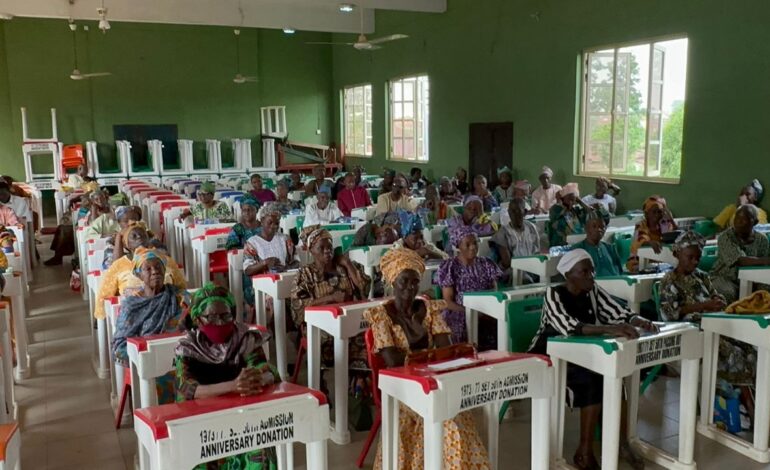


The Social Network Research Group, Obafemi Awolowo University, Ile-Ife, Osun State, has disclosed that the formal and institutional support system for elderly people in Nigeria remains inadequate.
According to the group, psychological vulnerability, accessibility barriers, and policy weaknesses place elderly citizens at heightened risk and need to be addressed.
The group disclosed this on Saturday, while presenting the research dissemination programme on social support networks and quality of life of Octogenarians in Nigeria.
The principal investigator and the Host, Professor Bonke Adepeju Omoteso, while speaking during the programme held at the St. John Grammar School Hall, Oke-Atan, Ile-Ife, Osun state, said the study was conducted between 2021 and 2023 and looked at the quality of life of the elderly citizens.
Prof Omoteso, who said the research was sponsored by the Tertiary Education Trust Fund, added that the study was done in four states – Osun, Oyo, Benue and Imo.
She said, “The study is about the social support that is needed for our elderly people to live meaningfully in the later stages of their lives.
“The research was carried out by 11 people. Nine staff members from Obafemi Awolowo University, Ile-Ife, a staff member from Adamawa State University and the last person was from Imo State University.”
“The research was carried out in Osun, Oyo, Benue and Imo states. During our findings, we looked at the quality of life of elderly people in these four states.”
“We discovered that in Nigeria, we don’t take much cognisance of the healthy living of our elderly people. We also discovered that there is no social support system for elderly people in Nigeria.”
Speaking further, Professor Omoteso said the findings demonstrate that family-based social support remains the backbone of octogenarians’ quality of life in Nigeria.
She added that, “formal and institutional systems remain largely inadequate. Psychological vulnerability, accessibility barriers, and policy weaknesses place octogenarians at heightened risk, particularly as traditional family structures continue to erode.”
Providing recommendations, the lead Investigator said, “strengthening family support, community-based care, and targeted, well-funded policy interventions is essential to safeguarding the dignity and well-being of Nigeria’s oldest old.”
She also called for improved access to healthcare services, promotion of economic empowerment through income-generating activities and fostering community engagement and elderly-friendly infrastructure.
A member of the team, Dr Akinjide Akintomide of the Obafemi Awolowo University, Ile-Ife, said the study identified substantial policy and implementation gaps in Nigeria’s approach to elderly care.
READ ALSO
•OAUTHC NUAHP Calls Out FG, Asks Members To Comply Fully With Ongoing JOHESU Strike
•Audit: Osun Varsity VC, Others To Sue Consultant For Declaring Them Ghost Workers – Govt
“Although a National Policy on Ageing exists, its implementation remains weak, underfunded, and largely generic, failing to address the specific needs of octogenarians.
“Critical gaps were noted in geriatric healthcare, income security, housing, legal protection, and data systems. Existing interventions were fragmented, urban-centred, and heavily dependent on non-governmental organisations and faith-based organisations, raising concerns about sustainability and equity,” Dr Akintomide noted.
Addressing the participants who were mostly elders, a medical practitioner, Dr Seye Okunola, advised them to take care of their health and ensure regular checkups.
He said, “As elderly people, we should ensure a very clean environment and try as much as possible to relate with others in our environment.
“We should also ensure we go for checkup regularly. This will enable us to know how health status and prevent a bigger ailment.”
The trio of Dr Kolawole Aliu, Dr Omoyemiju Michael Adeniyi and Mr Seye Adesokun emphasised healthy eating habits, physical activity and exercise, including access to clean water and sanitation for the elderly people in the society.
They attributed their worries to some social and economic issues like, isolation, poverty, neglect, financial dependence and limited access to resources.
Olamilekan Adigun is a graduate of Mass Communication with years of experience in journalism embedded in uncovering human interest stories. He also prioritises accuracy and factual reportage of issues.