Technology and Tradition Drive Ifá’s Global Reach from Yorùbáland to the World



- By Ifábíyìí Akódà
As global interest in traditional Yorùbá practice continues to grow, Ifá is expanding beyond Nigeria through a combination of tradition, diaspora collaboration, and the strategic use of technology.
This expansion comes at a time when authorities within Yorùbáland have raised concerns about the rise of unverified interpretations and distorted practices outside Nigeria, stressing the need to protect the integrity of Ifá and preserve its traditional values as its international reach increases. In this context, how knowledge is transmitted — and by whom — has become a critical issue.
It is within this landscape that the sustained work of practitioners and initiatives maintaining direct ties to Nigeria has gained relevance. Over the years, these efforts have helped project Ifá — preserved in its verses, rituals, and teachings — to an international audience without losing its foundation in Yorùbáland, reinforcing its status as a cultural heritage that continues to attract people from different parts of the world.
Among these figures is Ifábíyìí Akódà, a bàbáláwo with over 30 years of experience, trained under high-ranking priests in Ọ̀yọ́, including the late Ifátòkì, an Oluwo associated with the Alaafin of Ọ̀yọ́. His work has focused on structuring and disseminating traditional Ifá knowledge while maintaining alignment with its core principles and preserving active connections with practitioners in Nigeria.
“Learning Ifá and maintaining direct contact with its authentic tradition, studying under high-ranking priests in Ọ̀yọ́, changed my life. Since the age of 14, I have been committed to sharing this rich culture and way of life with the world — not through reinterpretations or adaptations from the diaspora, but from its most authentic form,” Ifábíyìí said.
Through Ilé Awo — a website widely regarded as one of the first digital platforms in the diaspora dedicated to traditional Ifá — along with a series of specialized applications such as Ifá Traditional, Idafa, and the Apola series, Ifábíyìí has contributed to the development of a digital ecosystem that reaches a global audience of over one million users. Available in Spanish, English, and Portuguese, these platforms aim to support structured study while respecting traditional knowledge boundaries and avoiding the dissemination of restricted content.
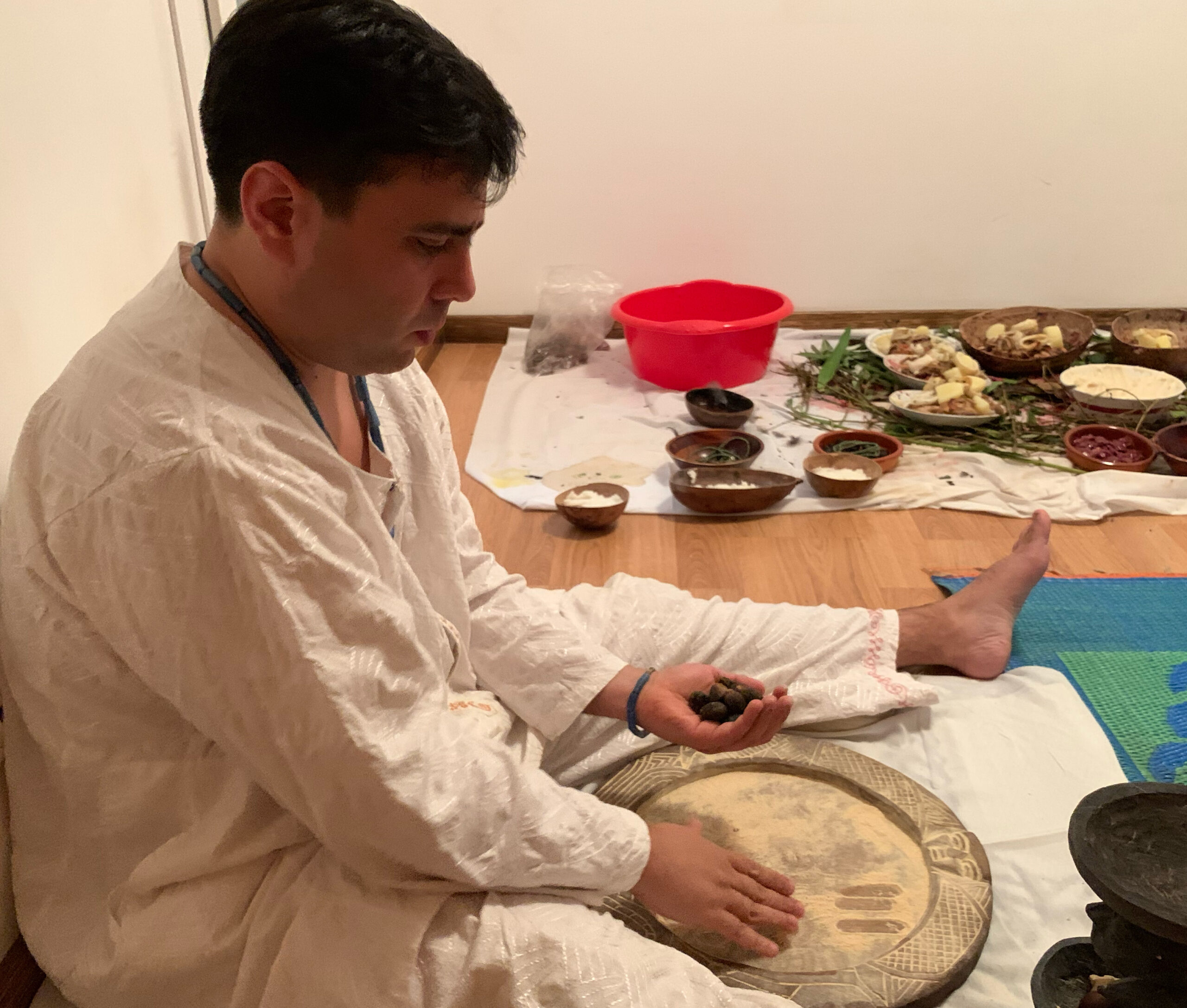
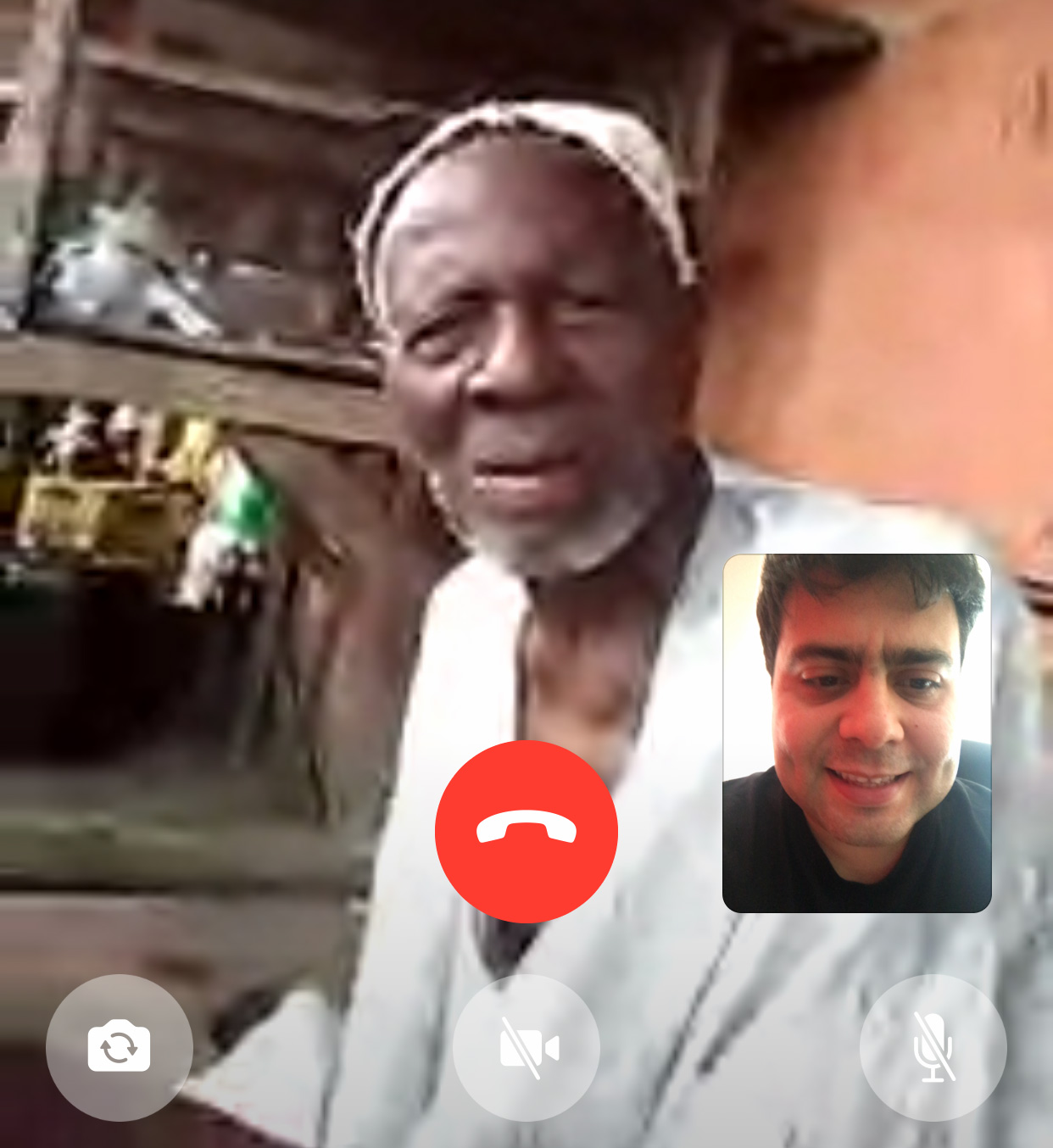
Beyond the digital space, this work has also maintained a direct presence in Nigeria. Over the years, it has supported festivals ranging from traditional celebrations such as the Odún Ifá–Mọlẹ̀in Ọ̀yọ́ Òkè Agídàn — which coincides with Ifábíyìí’s own Ifá festival — to widely recognized events like the Ṣàngó festival and the Oke Itase gathering in Ilé-Ifẹ̀, contributing to their international visibility through sustained multilingual coverage.
Ilé Awo has also become one of the platforms outside Nigeria consistently reporting on Oke Itase, publishing the annual Odù and Ifá’s recommendations for the year, expanding international access to this key event.
This effort has extended into community support initiatives, including assistance to elders, children, and bàbáláwo, as well as contributions toward improving basic living conditions such as housing and access to food, alongside the integration of tools that support daily practice.
For Ifábíyìí, the global expansion of Ifá is grounded in a clear principle: “Ifá serves as a bridge connecting communities beyond borders, maintaining a shared thread of wisdom that reinforces its value as a living cultural heritage.”
He added that the significance of Ifá goes beyond religion: “Ifá is more than a religion. It is a way of life that teaches good character, gratitude, the importance of helping others, the value of sacrifice, and the need to study and acquire knowledge. For this reason, my commitment for over 30 years — and for the rest of my life — is to preserve the sanctity of Yorùbá cultural and traditional values and to strengthen the global respect that this tradition deserves.”
Cultural observers note that initiatives of this kind contribute to sustaining cultural heritage while reinforcing Nigeria’s position on the global cultural stage. This process not only benefits the Ọ̀yọ́ Kingdom and the Yorùbá people, but also strengthens the country’s broader cultural projection.
The expansion of Ifá reflects a broader dynamic in which tradition and technology converge to project ancestral knowledge beyond its place of origin, while maintaining its roots in Nigeria and reinforcing its relevance in an international context.