US–Iran Conflict and the Fragile Global Economy


- By Wahab Abiona
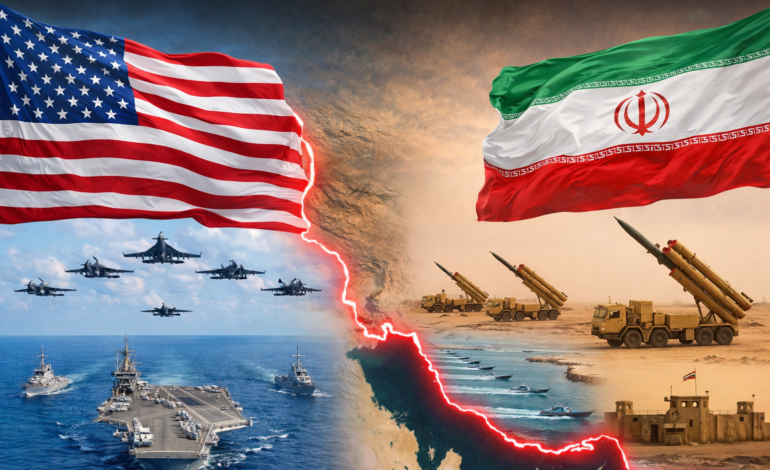
Rising tensions between the United States and Iran have once again drawn global attention to the dangerous economic consequences of armed conflict in strategically sensitive regions. Beyond the immediate military implications, the prospect of war between the two countries poses a serious threat to international economic stability, particularly at a time when many economies are still grappling with inflationary pressures, weak growth, and fragile fiscal conditions.
A major source of concern is the likely disruption of global energy supply. The Strait of Hormuz remains one of the world’s most critical oil transit corridors, through which a substantial percentage of global crude exports passes daily. Any military escalation in that corridor could obstruct shipping activities, trigger uncertainty in global energy markets, and push crude oil prices sharply upward.
Such a development would have immediate global implications. Rising oil prices often translate into higher transportation costs, increased production expenses, and inflationary pressure across economies. For countries heavily dependent on imported petroleum products, the consequences could be severe, with increased pressure on exchange rates, public finances, and household purchasing power.
History offers sufficient warning about the economic burden of prolonged military engagements involving major powers. The Vietnam War placed enormous fiscal demands on the American economy and contributed to wider macroeconomic imbalances that later coincided with global stagflation in the 1970s. Likewise, the Gulf War contributed to a sudden rise in oil prices that worsened recessionary pressures across several economies.
The Iraq War further demonstrated how prolonged military operations can generate enormous fiscal liabilities. Trillions of dollars were expended over years of conflict, deepening budgetary strain and contributing to long-term debt pressures. Similarly, the extended conflict in Afghanistan consumed substantial public resources that might otherwise have supported domestic investment and economic development.
A conflict involving Iran carries additional strategic risks because of the country’s central location in the Middle East and its influence within regional security dynamics. A prolonged confrontation could damage oil infrastructure, disrupt maritime trade, and trigger wider instability across neighbouring states. Such uncertainty often leads investors to retreat from vulnerable markets, increasing volatility in financial systems and weakening confidence in global growth prospects.
The consequences would extend beyond financial markets. Armed conflict typically results in destruction of infrastructure, humanitarian displacement, and severe disruption of education, healthcare, and productive economic activities. For many developing nations, especially those already facing debt burdens and inflation, any sustained increase in global oil prices could worsen poverty and deepen social vulnerability.
The ripple effects would be felt globally. Higher fuel prices would affect food supply chains, electricity generation, transportation, and manufacturing costs. Economies with weak buffers may experience renewed fiscal stress, while households already burdened by rising living costs would face further hardship.
The lessons of history remain clear: wars rarely produce economic prosperity; rather, they leave behind debt, instability, and prolonged recovery challenges. In the present circumstance, the world can scarcely afford another avoidable shock to an already fragile economic order.
It is therefore imperative that diplomatic engagement remains the preferred path. Constructive dialogue, restraint, and international cooperation offer the most realistic means of preventing a conflict whose consequences could extend far beyond the immediate region and affect global economic well-being for years to come.
- Abiona is an economist, tax-consultant and a public affairs analyst.
The opinions expressed in this publication are solely those of the author. It does not represent the editorial position or opinion of OSUN DEFENDER.