Visa Crackdown: Dozens Of International Students Expelled From U.S. Over Minor Infractions
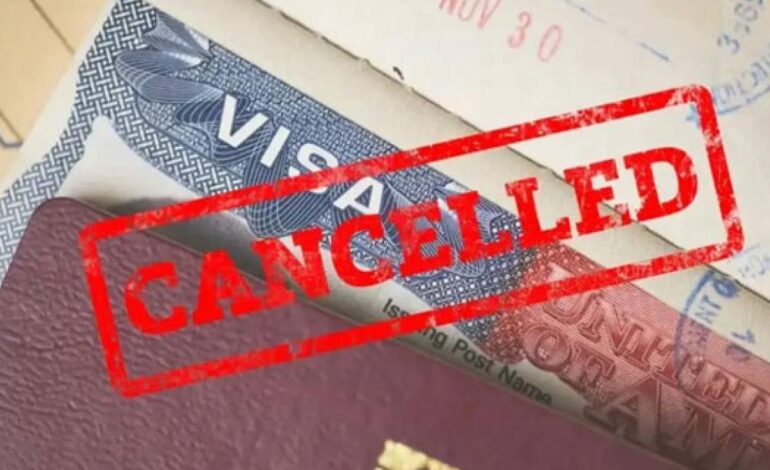

Nearly 40 international students across various U.S. universities have had their student visas abruptly revoked by the U.S. government in what legal experts and immigration advocates describe as a sweeping and opaque crackdown.
The move, reportedly triggered by minor infractions such as traffic violations, has left students stunned, fearful, and uncertain about their future.
According to The Guardian UK, the affected students—many of whom were weeks away from graduating—received sudden notifications that their legal status had been terminated, without any prior warning or opportunity to appeal.
Lisa, an international student at the University of Wisconsin, Madison, was just one month from graduation when she received a jarring email: “ISS is writing to inform you that your SEVIS record was terminated,” it read, referring to the Student and Exchange Visitor Information System maintained by the U.S. Department of Homeland Security.
Initially dismissing the message as a phishing scam, Lisa later confirmed through social media and student forums that she was not alone.
She had been deemed “out of status” due to a traffic incident the previous year, where she received two citations and was fingerprinted during court processing.
Once a SEVIS record is terminated, affected students are required to leave the U.S. within 15 days. Remaining beyond that period can lead to deportation and long-term visa bans.
The crackdown appears to have affected students from universities across the country, including Stanford, UCLA, UC San Diego, Ohio State, and the University of Oregon. Reports compiled in an online spreadsheet by affected students listed incidents from over 50 institutions.
In many cases, students reported minor legal issues—such as driving with an expired license, dismissed charges, or non-criminal citations—but still received SEVIS termination notices labeling them as having “criminal records.”
The terminations, most of which were dated April 4, coincided with a controversial statement made on March 27 by U.S. Secretary of State Marco Rubio.
“Every time I find one of these lunatics, I take away their visas,” Rubio said, describing the mass revocations as part of a national security effort.
Immigration lawyers and student advocates, however, argue the move lacks legal precedent and has been executed without due process.
“Students weren’t given any chance to explain their situation,” said Shenqi Cai, managing attorney at Lashine Law in California.
“They were terminated under one broad directive, seemingly triggered by automated screenings that don’t account for state-by-state differences in legal definitions.”
Cai added that nearly 90% of the students she has spoken with had been fingerprinted during previous interactions with law enforcement, despite the fact that many of those charges were later dismissed or were considered minor.
“Fingerprinting alone should not equate to a criminal record,” she emphasized.
The consequences have been devastating for many. David, a Chinese national who was working under the Optional Practical Training (OPT) program after graduation, lost his right to work overnight.
His employer is now racing to relocate him to Canada within the narrow 15-day grace period.
Another student, Bill, had been cited for driving with an expired license—a case still pending in court. Now, he finds himself stuck in a legal paradox: required to appear in court but facing possible detention if he remains in the U.S.
“The dust of history falls on me, and it becomes a mountain,” Bill lamented.
With little institutional support beyond referrals to immigration attorneys—many of whom charge steep fees even with discounts—students have turned to one another for help. More than 300 of them joined an emergency Zoom session with federal immigration litigator Brad Banias.
“It’s not a legal move, it’s a political one,” Banias told attendees.
“They’re criminalizing parking tickets.”
Lisa, still in shock, now faces the grim possibility of losing her degree, job offer, and graduate school admission.
“Worst case, I don’t graduate. I go home and start college again. Four more years. And then what?” she asked.
Hafsoh Isiaq is a graduate of Linguistics. An avid writer committed to creative, high-quality research and news reportage. She has considerable experience in writing and reporting across a variety of platforms including print and online.