When Aviation Safety Takes A Back Seat To Celebrity Privilege



- By Abidemi Adebamiwa
“I have admired Kwam 1 since childhood and even collected most of his albums, but his conduct in this instance was more than a lapse in decorum. It was a direct affront to the aviation safety protocols I have always held dear. If public figures can evade criminal prosecution for actions like this, then what is the purpose of having a Criminal Code at all? A law that is not applied equally is nothing more than a law in name,” says Abidemi Adebamiwa.
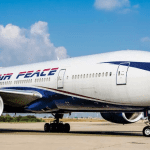
On August 5, 2025, at Nigeria’s Nnamdi Azikiwe International Airport in Abuja, a disturbing scene unfolded. Popular Fuji musician Kwam 1 (Wasiu Ayinde Marshal) was caught on video spilling alcohol on an aviation security officer, resisting protocol enforcement, and eventually obstructing an aircraft from departing, a situation confirmed by both FAAN and the Nigeria Civil Aviation Authority (NCAA).
This was not merely a disruption; it was a breach of core aviation safety rules. Section 459A of Nigeria’s Criminal Code makes obstructing the motion of an aircraft on an aerodrome a misdemeanor, punishable by up to two years’ imprisonment. Yet no criminal charge was filed. Instead, the NCAA issued an indefinite flying ban against the artist, pending the outcome of a full investigation. Two ValueJet crew members were also suspended for their role in the incident.
I am saying this as someone who truly values the integrity of aviation. I have always loved the sector, have family members and mentors who are aviation executives, and I have even been involved in floating an airline before. I know the stringency of getting a BASA agreement signed and securing an Air Operator’s Certificate, much less maintaining one. That’s why incidents like this bother me deeply. Aviation is built on rules, and those rules are there to keep everyone safe.
The Abuja incident should have been a straightforward enforcement matter. In other countries, similar breaches have drawn swift and decisive consequences. In Ireland, TD Mick Wallace and MEP Clare Daly were arrested in 2014 for entering a restricted airport zone to inspect a US military aircraft. Wallace later served jail time in 2015 for refusing to pay the fines related to that protest. In Malaysia, Minister Tiong King Sing entered a restricted area at Kuala Lumpur International Airport in 2023, sparking public uproar and triggering an official review and internal disciplinary action.
These examples show that aviation rules are not up for negotiation, whether one is a public figure or not. The International Civil Aviation Organization’s Annex 17 to the Chicago Convention spells out each state’s duty to protect civil aviation from unlawful interference, including forcible intrusion and obstruction. Nigeria is a signatory to that convention.
I have admired Kwam 1 since childhood and even collected most of his albums, but his conduct in this instance was more than a lapse in decorum. It was a direct affront to the aviation safety protocols I have always held dear. If public figures can evade criminal prosecution for actions like this, then what is the purpose of having a Criminal Code at all? A law that is not applied equally is nothing more than a law in name.
Nigeria’s aviation sector cannot afford celebrity exemptions. If we want the world to trust our skies, our runways, and our airport gates, enforcement must be consistent and impartial, every single time.
- Abidemi is a student pilot as well as a political and public policy analyst.
The opinions expressed in this publication are solely those of the author. It does not represent the editorial position or opinion of OSUN DEFENDER.