Nigeria Named ‘World Capital Of Skin Bleaching’
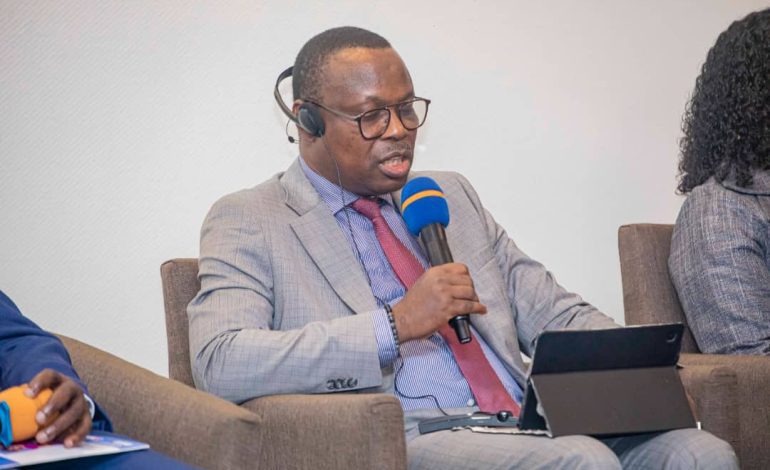

The Minister of State for Health and Social Welfare, Dr. Iziaq Salako, on Wednesday expressed concern over the rising use of skin-lightening products among Nigerians and Africans.
Speaking at a workshop in Gabon on eliminating lightening cosmetic products, Salako noted that, despite the harmful effects of these products, their usage remains prevalent, especially in Africa.
He said products such as creams, ointments, soaps, pills, and injections are widely used by people across various demographics.
“I must say that not only are men using SLPs, men also tend to put pressure on women directly or indirectly to lighten their skin, and therefore our campaigns must not exclude the menfolks,” he said.
Salako also stated that “Nigeria may have been called ‘the world capital of skin bleaching,’ or ‘the skin-lightening hothouse of the world,’ potentially due to its recognition as having the highest usage rates of SLPs across the globe put at 77 per cent among Nigerian women by WHO.
“This rate is the highest in the world, reinforcing the prevalence of a cultural and societal preference for lighter skin tones in the country.”
He explained that “skin-whitening products include skin-lightening or whiteners that are widely used among a wide range of demographic groups regardless of age, socio-economic status, or education level.”
READ ALSO
- I Regret Bleaching My Skin – Toke Makinwa
- Customs Confiscates India Hemp, Timber, Donkey Skin, Others
Salako added that studies show that “64 per cent of Nigerians believe skin bleaching is highly prevalent, with 97 per cent believing it is common among Nigerian women.”
He also pointed out that “Studies among university students found a prevalence of between 62.4 and 64.9 per cent. The awareness of skin bleaching is high at over 76 per cent with close to 40 per cent believing that it makes one look beautiful and fashionable.
“High prevalence was influenced by peer pressure and societal perceptions of beauty. There is also a prevalent practice of using toning (as a replacement) for bleaching and believing wrongly that toning is not harmful or less harmful.”
Salako warned that many of these products contain harmful substances like mercury, hydroquinone, and heavy metals such as arsenic, lead, and cadmium, which can cause skin damage, organ toxicity, and cancer.
He further mentioned that the Federal Government has been working to promote the use of safe cosmetic products free from hazardous substances. Through its Cosmetics Safety Management Programme, the government has carried out sensitization, training, and advocacy campaigns across the country.
The government has also developed the Cosmetic Products (Prohibition of Bleaching Agents) Regulations 2019, which prohibit the use of harmful skin-bleaching agents like mercury and limit the concentration of hydroquinone to two per cent.
Salako emphasised the importance of the government’s efforts to monitor and regulate the cosmetic industry, which include seizing counterfeit products, conducting market surveillance, and launching community outreach programs to educate the public on the risks of using unsafe cosmetics.
Titilope Adako is a talented and intrepid journalist, dedicated to shedding light on the untold stories of Osun State and Nigeria. Through incisive reporting, she tackles a broad spectrum of topics, from politics and social justice to culture and entertainment, with a commitment to accuracy, empathy, and inspiring positive change.