Nigeria Still Neglecting Boko Haram Girl Survivors – Amnesty
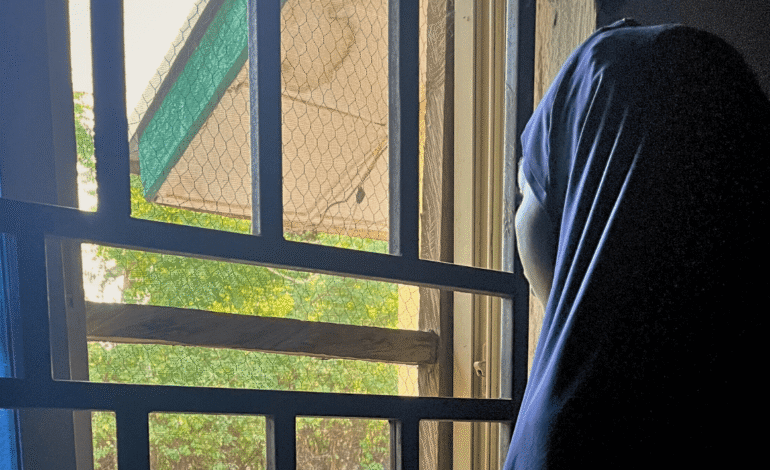


Amnesty International has accused the Nigerian government of failing to support girls and young women who escaped Boko Haram captivity in the country’s northeast, one year after a major report exposed their plight.
In June 2024, the rights group released a report titled “Help us build our lives”, revealing the survivors’ urgent need for reintegration, medical care, education, and economic empowerment.
Despite this, Amnesty says the situation remains dire.
According to Isa Sanusi, Director of Amnesty International Nigeria, “One year later, it is unacceptable that the Nigerian authorities still cannot ensure these girls and young women are able to rebuild their lives in safety.”
He added that the critical period after escaping Boko Haram is being wasted, with many survivors “left to fend for themselves and struggling to survive.”
Sanusi further said the government has failed to identify and assist victims of forced marriage and trafficking. He called on President Bola Tinubu to act immediately, stressing the need for medical, educational, and livelihood support.
In February 2025, Amnesty remotely interviewed eight recently escaped survivors. Seven were children aged 12 to 17; the eighth was a 22-year-old woman forced into marriage as a child. None had received counselling, vocational training, or tailored reintegration services.
In all seven cases involving child survivors, the Nigerian military failed to transfer them to civilian authorities, as required under a 2022 agreement between the federal government and the United Nations.
This handover protocol is aligned with international commitments, including the Convention on the Rights of the Child and the African Charter on the Rights and Welfare of the Child, which mandate rehabilitation and reintegration of child victims of armed conflict.
The testimonies collected by Amnesty reflect deep suffering.
Three girls, including AN, 13, and two others aged 17, who escaped together in December 2024, said they have had no contact with security or local authorities since then.
LC, 17, recounted being forcibly married at age seven or eight, remarried after her first Boko Haram husband died, and eventually lost her two children to hunger in the bush. She said she never received any government help.
AN, also a survivor of forced marriage, recalled the trauma of being flogged during two failed escape attempts. Her plea: “We need support for shelter and food.”
Another 13-year-old from Mafa said she was imprisoned by soldiers after fleeing Boko Haram, before being transferred to a camp where she was reunited with her mother. She now sells firewood to survive.
NB, 12, lives with relatives in Mafa but has received no help, despite being questioned by soldiers.
One exception is SC, 16, who said soldiers helped her find her family in a displaced persons camp. “They went to the camps and searched for community leaders… and from there they located [my parents],” she said.
For over a decade, the conflict in northeast Nigeria has created a humanitarian crisis and displaced millions. Both Boko Haram and state forces have been accused of war crimes and other human rights abuses.
Amnesty said it continues to monitor the region and has urged the International Criminal Court to launch an investigation into the crimes committed.
The organisation insists Nigeria is also obligated under the Maputo Protocol to protect girls and women from early and forced marriage.
Titilope Adako is a talented and intrepid journalist, dedicated to shedding light on the untold stories of Osun State and Nigeria. Through incisive reporting, she tackles a broad spectrum of topics, from politics and social justice to culture and entertainment, with a commitment to accuracy, empathy, and inspiring positive change.